
- Home/
- Buy Priligy at Low Price in United Kingdom Online
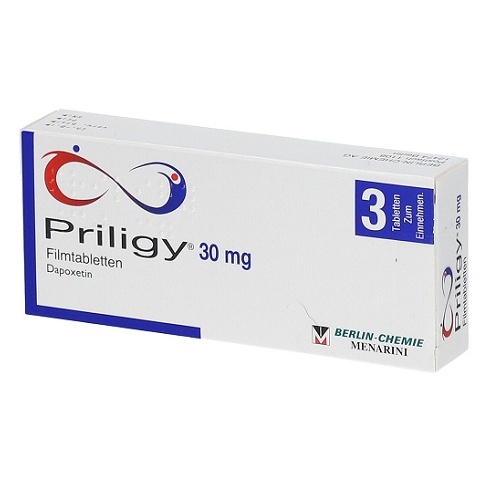
Can Priligy (Dapoxetine) Be Obtained Without a Prescription in the United Kingdom?
Priligy (dapoxetine) is a prescription-only medicine in the United Kingdom. It cannot be legally obtained without a prescription from a licensed healthcare professional. Over-the-counter sales or purchases from unregulated sources are not permitted and carry significant safety risks.
Key Takeaways: What You Need to Know About Priligy in the United Kingdom
- Priligy is intended for men aged 18–64 who experience premature ejaculation and meet specific clinical criteria.
- It requires a valid prescription from a healthcare provider in the UK—self-medication is not safe or lawful.
- Most men notice improvements within the first few uses, but optimal results may take several attempts under medical supervision.
- The most important safety precaution is to avoid combining Priligy with certain other medicines, especially those affecting mood or blood pressure.
- If you experience new or severe side effects, stop taking the medication and seek medical advice promptly.
- Always obtain Priligy from a registered UK pharmacy to avoid counterfeit or substandard products.
How Does Priligy (Dapoxetine) Work in the Body?
Priligy contains dapoxetine, a selective serotonin reuptake inhibitor (SSRI) developed specifically for the on-demand treatment of premature ejaculation in men. Unlike conventional SSRIs used for depression, dapoxetine is rapidly absorbed and eliminated, allowing for short-term use immediately before sexual activity.
Dapoxetine works by blocking the reuptake of serotonin in nerve cells, particularly within the spinal ejaculatory reflex pathway. By increasing serotonin activity, it delays the ejaculatory reflex and enhances control over ejaculation.
On a biochemical level, dapoxetine binds to the serotonin transporter (SERT), increasing serotonin concentration in synaptic clefts. This action modulates both central and peripheral nervous system signals involved in ejaculation. Indirectly, this also dampens anxiety and heightens the refractory period.
Metaphorically, if premature ejaculation is like a car with overly sensitive brakes, dapoxetine “softens” the response—giving you more control over when to stop.
Priligy does not require sexual stimulation to take effect, but its benefits are most noticeable in the context of sexual activity, as the medication’s effect is specifically targeted to ejaculation reflexes.
Clinical trials in the UK and Europe (as recent as 2024) have shown that dapoxetine can increase intravaginal ejaculation latency time (IELT) by 2–3 times compared to placebo, with the majority of men experiencing meaningful improvement in both control and sexual satisfaction (PubMed, EMA).
Why Some Men Overestimate What Priligy Can Achieve
As a clinician, I often see men who assume that Priligy will resolve all aspects of premature ejaculation from the very first dose. In reality, patients sometimes judge treatment based only on whether intercourse lasted “long enough,” overlooking improvements in control or satisfaction. Some expect a cure rather than symptom management, leading to frustration when underlying anxiety or relationship dynamics also play a role. I wish more patients would ask how to measure progress beyond stopwatch timing and discuss concerns openly, as psychological and relational factors often remain unaddressed. It’s important to remember that Priligy helps manage symptoms, but does not remove the root cause for all men.
How and When Should Priligy Be Taken? Dosage Instructions and Duration of Effect
The standard starting dose of Priligy for adult men is 30 mg, taken as a single tablet with a full glass of water 1–3 hours before anticipated sexual activity. The tablet should be swallowed whole and not split or crushed, as this may affect its absorption and efficacy.
If the response to the 30 mg dose is inadequate and side effects are tolerable, the dose may be increased to a maximum of 60 mg per event, but never exceed one dose in 24 hours. Re-dosing within the same day is strictly contraindicated.
- Priligy is not intended for continuous daily use, but rather for “on demand” administration.
- It is not suitable for men over 65 years or those under 18 years old.
- For men with mild liver or kidney impairment, dose adjustments and close monitoring may be necessary. Severe hepatic impairment is an absolute contraindication.
Peak effect typically occurs within 1–2 hours after ingestion, with benefits lasting up to 4–6 hours. The medication is usually eliminated from the body within 24 hours.
Does Food or Alcohol Affect Priligy’s Efficacy?
Priligy can be taken with or without food, but high-fat meals may slightly delay absorption, potentially postponing peak effect by up to 60 minutes. It is best to avoid heavy meals immediately before dosing for optimal results.
Alcohol intake should be minimised while taking Priligy. Although moderate consumption (for example, one standard unit of alcohol) is unlikely to cause dangerous interactions, alcohol can increase the risk of drowsiness, dizziness, and impaired judgement—side effects already associated with dapoxetine. Combining the two may worsen orthostatic hypotension (sudden drops in blood pressure), increasing the risk of fainting.
Grapefruit juice should be avoided as it can interfere with dapoxetine metabolism via CYP3A4 inhibition, leading to higher blood concentrations and increased risk of adverse effects.
| Type of Product | Can it be combined? | Possible Consequences |
|---|---|---|
| Alcohol | Caution | Increased risk of side effects, fainting |
| Nitrates for chest pain | Strictly NO | Severe blood pressure drop |
| SSRIs or SNRIs (antidepressants) | NO | Risk of serotonin syndrome |
| Grapefruit juice | NO | Increased drug levels, side effects |
| Aspirin/paracetamol | Yes | No significant interaction |
Who Should Not Take Priligy? Contraindications and Red Flags
- Absolute contraindications:
- History of syncope (fainting), severe heart problems (e.g., significant arrhythmias, heart failure, conduction disorders).
- Ongoing treatment with monoamine oxidase inhibitors (MAOIs), thioridazine, or other serotonergic antidepressants.
- Severe liver impairment (Child-Pugh class C), as dapoxetine is primarily metabolised in the liver.
- Concurrent nitrate therapy or drugs causing significant drops in blood pressure.
- Known hypersensitivity to dapoxetine or any excipients in the formulation.
- Men under 18 or over 65 years of age, due to insufficient safety data.
- Relative (use with caution):
- Mild to moderate liver or kidney impairment—dose adjustment and close monitoring required.
- History of psychiatric disorders (e.g., bipolar disorder, severe depression, mania), due to risk of mood changes.
- Uncontrolled epilepsy—risk of seizure exacerbation.
- Concomitant use of medications prolonging QT interval (risk of heart rhythm disturbances).
- Men at increased risk of bleeding (e.g., those on anticoagulants), as SSRIs may increase bleeding tendency.
After a major cardiac event (such as a heart attack), dapoxetine therapy may be considered under specialist supervision, typically at least 6 months post-event, but only after thorough risk assessment.
What Side Effects Are Most Common With Priligy? Risks and Safety Experience
Like all medicines, Priligy can cause side effects, but not everyone will experience them. Side effects are classified as follows:
- Very Common (>1/10):
- Nausea (up to 20%). May be due to serotonin effects on the gastrointestinal tract.
- Common (1/100 to 1/10):
- Dizziness, headache, diarrhoea, insomnia, fatigue, increased sweating, anxiety.
- Somnolence (drowsiness), blurred vision, difficulty concentrating.
- Orthostatic hypotension (sudden drop in blood pressure when standing).
- Rare (<1/1,000):
- Palpitations, fainting (syncope)—this is a key concern as it can cause injury.
- Allergic reactions (rash, itching, swelling).
- Serotonin syndrome (when combined with other serotonergic agents).
- Very Rare (<1/10,000):
- Severe mood changes, suicidal ideation (especially in those with pre-existing mental health issues).
- Seizures (fits) in predisposed individuals.
- Abnormal heart rhythms (QT prolongation).
What should I do if I experience side effects?
Most mild side effects resolve within a few hours. If you feel dizzy, lie down and do not drive. If you experience severe symptoms (fainting, chest pain, severe allergic reaction), seek urgent medical attention. Persistent or distressing side effects warrant consultation with your doctor before the next dose.
Myth: “Side effects always mean the medicine is unsafe.”
Reality: “Most side effects are mild and temporary, but it is vital to report anything unusual or severe to your clinician.”
Structured Information Table: Priligy (Dapoxetine) Core Product Data
| Parameter | Value |
|---|---|
| Active ingredient | Dapoxetine hydrochloride |
| Available strengths | 30 mg, 60 mg tablets |
| Route of administration | Oral (by mouth) |
| Onset of action | ~1–2 hours |
| Duration of effect | Up to 4–6 hours |
| Half-life (T1/2) | 1.5 hours (main); active metabolites: 19 hours |
| Metabolism | Liver (CYP2D6, CYP3A4 enzymes) |
| Elimination | Primarily urine (as metabolites) |
| Storage requirements | Below 30°C; original packaging |
What Mistakes Do Patients Commonly Make When Using Priligy?
- Taking the tablet too early or too late relative to sexual activity.
Some patients take Priligy outside the 1–3 hour window before intercourse, leading to suboptimal effect. To avoid disappointment, set a reminder and plan ahead for anticipated activity. - Splitting or crushing the tablet.
This may alter absorption and increase the risk of side effects. Tablets must be swallowed whole with a glass of water. - Combining with other serotonergic drugs or alcohol without medical advice.
This increases the risk of serotonin syndrome or fainting. Always inform your doctor about all medications and supplements you take. - Re-dosing within the same 24-hour period.
Some believe a second dose will improve control, but this raises overdose risk. Never take more than one dose per day. - Stopping treatment after a single unsatisfactory experience.
Initial use may not bring perfect results; often several attempts are needed while adjusting expectations and managing anxiety. - Ignoring pre-existing medical conditions or not disclosing full medical history.
Hiding information about heart, liver, or psychiatric conditions can put you at risk of adverse events.
How Does Priligy Compare With Other Treatments for Premature Ejaculation?
Several options are available for managing premature ejaculation in the UK. Below is a comparison of Priligy with leading alternatives:
| Product | Onset (hours) | Duration (hours) | Common Side Effects | Prescription Required | Estimated Cost per Tablet (GBP) |
|---|---|---|---|---|---|
| Priligy (Dapoxetine) | 1–2 | 4–6 | Nausea, dizziness, headache | Yes | £15–£25 |
| Paroxetine (off-label SSRI) | Several days (builds up) | 24+ | Sexual dysfunction, drowsiness | Yes | £0.30–£0.60 |
| Clomipramine (off-label TCA) | Several days | 24+ | Dry mouth, drowsiness, sexual dysfunction | Yes | £0.20–£0.50 |
| Topical anaesthetic spray/cream | 0.5–1 | 1–2 | Numbness, potential transfer to partner | No (OTC) | £7–£15 |
Key distinctions: Priligy provides rapid, on-demand control with fewer sexual side effects compared to daily SSRIs or TCAs. However, it is more expensive and requires a prescription. Topical anaesthetics are non-systemic and available without prescription, but may reduce sensation for both partners.
Doctor Answers: Practical Clinical Questions About Priligy Therapy
- How do I know if Priligy is working for me?
- Most men notice improvements in control and satisfaction within the first 3 uses, but sometimes it takes a few attempts to feel the full benefit. I recommend tracking not just timing, but also confidence and satisfaction; these are often just as important as duration.
- Is it safe to use Priligy with treatments for erectile dysfunction?
- In many cases, Priligy can be safely combined with PDE5 inhibitors (such as sildenafil), but only under medical supervision. The risk of combined side effects means that I always assess cardiovascular health before recommending both together.
- What should I do if I miss the timing or forget a dose?
- Priligy is taken on-demand, not on a schedule. If you miss the intended window, wait until the next appropriate occasion—never double the dose or take it too close to your previous intake.
- Will Priligy interfere with my fertility or ability to have children?
- There is no evidence to suggest that dapoxetine impairs fertility or sperm quality in men. It doesn’t affect hormonal pathways linked to reproduction.
- How often can I safely use Priligy?
- The maximum is once per day, but most men use it only as often as needed. Frequent use (more than several times a week) should prompt a review of your condition and possible underlying factors.
- Will I become dependent on Priligy or experience withdrawal?
- Priligy is not known to cause dependence or withdrawal symptoms, as it is not intended for continuous daily use. However, some men may develop psychological reliance on the medication—if so, I encourage discussing this openly during follow-up.
- Can Priligy help with sexual anxiety?
- While the medication may reduce anxiety associated with fear of early ejaculation, it does not treat generalised anxiety or psychological causes of sexual dysfunction. For many men, combined medical and psychological support yields the best results.
Pharmacokinetics: How Is Priligy Processed and Eliminated From the Body?
Priligy (dapoxetine) is rapidly absorbed after oral administration, reaching peak plasma concentration in about 1–2 hours. It is primarily metabolised in the liver via CYP2D6 and CYP3A4 enzymes into inactive metabolites, which are then excreted mainly in the urine. The parent compound’s half-life is approximately 1.5 hours, though the active metabolites may persist for up to 19 hours. This short half-life reduces the risk of accumulation, making it suitable for on-demand use rather than daily therapy.
Special Considerations for Patients With Chronic Conditions or Other Risks
- Liver impairment: Not recommended in moderate to severe hepatic dysfunction due to risk of elevated drug levels and toxicity.
- Kidney impairment: Mild to moderate impairment may warrant dose reduction; not studied in end-stage renal disease.
- Cardiovascular disease: Do not use in patients with unstable or significant heart disease, as sudden drops in blood pressure may occur.
- Epilepsy: Risk of seizure exacerbation—avoid unless benefits outweigh risks and under specialist care.
- Mental health disorders: Use with extreme caution in those with bipolar disorder or severe depression—risk of mood destabilisation.
- Driving and machinery: Priligy can cause dizziness and drowsiness. Do not drive or operate machinery until the effects are known.
- Fertility: No evidence of negative effects on male fertility or offspring.
Original Priligy vs. Generics: Efficacy, Safety, and Cost in the United Kingdom
The original branded Priligy (Menarini, originally Janssen-Cilag) and its generic versions (dapoxetine) contain the same active ingredient and have demonstrated bioequivalence in clinical studies. Generics are subject to MHRA regulation and must meet the same safety, quality, and efficacy standards as the original.
What’s the difference?
- Active ingredient: Identical in both original and generic.
- Excipients: Minor differences may affect tolerability in those with sensitivities or allergies.
- Price: Generics are typically 30–50% less expensive than the branded version.
- Packaging: Branded products may feature more advanced tamper-evidence and anti-counterfeit features.
Generics are a safe and cost-effective alternative if obtained from a registered UK pharmacy. If you have a known allergy to specific excipients, consult your pharmacist or check the patient information leaflet for details.
How Can I Identify a Genuine Priligy Product? Quality Assurance in the UK
A genuine Priligy or licensed generic should come in a sealed blister pack with clear batch numbers, manufacturer details, and an MHRA-approved label in English. Look for:
- Tablet: Light grey to greyish green, round, engraved with “30” or “60” on one side.
- Packaging: Branded logo, hologram, and QR code (where applicable); UK address for manufacturer or distributor.
- Leaflet: Contains MHRA “POM” status, patient leaflet in English, and manufacturer contact details.
- Serial number: Unique on each box, which can be checked with the pharmacy or manufacturer.
- Price: Suspiciously low prices may indicate a counterfeit or unregulated product.
If in doubt, check with your pharmacist. Never purchase from unregulated or foreign websites, as these may supply counterfeit or substandard medicines.
How to Spot Counterfeit Priligy and Avoid Grey-Market Imports
Counterfeit medicines may look almost identical to genuine products, but often differ in one or more of the following:
- Poor print quality, faded fonts, or grammatical errors on packaging.
- Blister packs lacking batch numbers or expiry dates.
- No hologram or QR code for verification (where present on original).
- Tablets are the wrong colour, shape, or size.
- Unusually low cost, especially from websites not requiring a prescription.
Only purchase from pharmacies registered with the General Pharmaceutical Council or legitimate UK online pharmacies displaying the MHRA logo. Unregulated imports may be seized by UK customs and pose health risks.
Generics are not “counterfeits”—they are genuine medicines approved by the MHRA, provided they come from legal UK pharmacies.
Psychological Support and the Importance of Holistic Care
Premature ejaculation is a common and manageable condition. Many men experience significant anxiety or relationship stress as a result. Remember, you are not alone, and effective treatments exist—including medical, psychological, and behavioural approaches. Consider discussing your concerns with your partner and seek support from a qualified GP or sexual health specialist if needed.
Step-by-Step: How to Obtain Priligy Safely and Legally in the United Kingdom
- Consult your GP or a sexual health specialist. You may be referred for assessment, either in person or via a reputable UK telemedicine service.
- Undergo a medical evaluation to determine if premature ejaculation is the diagnosis and whether Priligy is appropriate. Your doctor will assess for contraindications, drug interactions, and lifestyle factors.
- Obtain a prescription if suitable. This can be an NHS prescription (rare, as not routinely funded) or a private prescription, which is more common for Priligy.
- Buy your medicine from a registered UK pharmacy—either in person or via an accredited online pharmacy. The pharmacy will check your prescription and may ask further safety questions.
- Receive your medicine in original packaging, with instructions and a patient information leaflet. If using a mail-order pharmacy, ensure courier tracking and next-day delivery options are available for areas such as London, Manchester, Birmingham, or Edinburgh.
- Attend follow-up appointments to review effectiveness, side effects, or any concerns. Never adjust your dose without medical advice.
How to Identify Legitimate Online Pharmacies in the UK
Ordering Priligy online is possible, but only through registered UK pharmacies that are authorised by the General Pharmaceutical Council (GPhC) and display the official MHRA distance selling logo. To confirm legitimacy:
- Check the pharmacy’s registration on the GPhC website.
- Look for the green MHRA logo and verify it links to the MHRA register.
- Ensure the pharmacy requires a valid prescription and conducts a questionnaire or consultation before dispensing.
- Avoid any site offering Priligy without a prescription, at drastically reduced prices, or shipping from outside the UK.
- Contact details should include a UK address and a pharmacist you can speak with.
Be wary: Counterfeit medicines are a known risk from unregulated sellers—these may contain incorrect ingredients, wrong doses, or be contaminated. MHRA and NHS guidelines recommend using only registered pharmacies for your safety.
- Stop taking Priligy at once—do not attempt to counteract the effects yourself.
- Call emergency services (NHS 111 or 999 in an emergency).
- Tell medical staff exactly how much was taken, when, and if any other medicines or alcohol were ingested.
- Keep the original packaging to show to the healthcare provider.
Clinical Assessment by doctor: Who Really Benefits and When Should Alternatives Be Considered?
In my clinical practice, Priligy is most beneficial for men who have a consistent and well-defined pattern of premature ejaculation, especially when other non-pharmacological strategies (such as the stop-start technique or psychological counselling) have not produced sufficient improvement. It is particularly valuable for those seeking rapid, on-demand symptom relief without committing to long-term daily medication. However, men with significant heart, liver, or psychiatric conditions may not be ideal candidates. I am cautious about prescribing Priligy where there is a history of syncope or polypharmacy, as interactions can be serious. In cases where anxiety, relationship issues, or performance pressure are dominant factors, I may suggest psychological interventions—either as first-line or in combination. When Priligy is ineffective after several properly supervised attempts, or if intolerable side effects occur, it is appropriate to reassess and consider alternatives such as daily SSRIs, topical anaesthetics, or referral to a specialist.
Frequently Asked Questions About Priligy in the United Kingdom
Is Priligy effective for all men with premature ejaculation?
No, Priligy is most effective for men with a lifelong or acquired pattern of premature ejaculation, but not all men will respond. A medical assessment is necessary to determine suitability, and other causes of symptoms must be ruled out first.
Do I need a prescription to obtain Priligy in the UK?
Yes, Priligy is a prescription-only medicine. A registered UK healthcare professional must assess you and issue a prescription following a consultation. It is not available legally over the counter or from unregulated websites.
How quickly does Priligy start to work and how long does its effect last?
Priligy usually works within 1–2 hours of taking a dose and its effect can last for up to 4–6 hours. It is taken only when needed, not every day.
What is the price of Priligy in the UK?
The cost per tablet varies by pharmacy and formulation but typically ranges from £15 to £25 for the branded version. Generic dapoxetine may cost less. Private prescriptions and online pharmacy orders may incur additional fees.
Can I take Priligy alongside other antidepressants or erectile dysfunction medicines?
Priligy must not be combined with other SSRIs, SNRIs, or MAOIs because of the risk of serotonin syndrome. It may be used with PDE5 inhibitors for erectile dysfunction in select cases, but only under medical supervision due to increased risk of side effects.
Are there any foods or drinks I should avoid when taking Priligy?
Avoid grapefruit juice, as it can increase drug levels and side effects. Minimise alcohol intake to reduce risk of dizziness or fainting. Otherwise, there are no strict dietary restrictions.
What should I do if I miss the timing for taking Priligy?
If you miss the 1–3 hour window before sexual activity, wait for the next suitable occasion. Do not take an extra dose or double up to compensate.
Can I develop dependence or withdrawal symptoms with Priligy?
No cases of physical dependence or withdrawal have been reported with on-demand use of Priligy. Psychological reliance is possible for some, in which case seek support from your doctor.
Is Priligy covered by the NHS?
Priligy is not routinely funded by the NHS for premature ejaculation, but some specialist services may offer it. It is most often prescribed privately, where patients pay the full cost.
How do I report a suspected side effect or adverse reaction?
Report side effects to your prescriber and use the MHRA Yellow Card Scheme to help improve medicine safety in the UK.
References
- European Medicines Agency (EMA). Priligy (dapoxetine) product information. Accessed 2026. https://www.ema.europa.eu/en/medicines/human/EPAR/priligy
- MHRA. Medicines and Healthcare products Regulatory Agency, United Kingdom. Accessed 2026. https://www.gov.uk/government/organisations/medicines-and-healthcare-products-regulatory-agency
- NHS. Premature ejaculation – treatment. Accessed 2026. https://www.nhs.uk/conditions/premature-ejaculation/treatment/
- McMahon CG, et al. Efficacy and safety of dapoxetine for the treatment of premature ejaculation: integrated analysis of results from five Phase III trials. J Sex Med. 2024. https://pubmed.ncbi.nlm.nih.gov/
- British Association for Sexual Health and HIV (BASHH). Guidelines for the management of premature ejaculation. Accessed 2026. https://www.bashh.org/guidelines
- General Pharmaceutical Council (GPhC). Find a pharmacy. Accessed 2026. https://www.pharmacyregulation.org/registers/pharmacy
- Yellow Card Scheme (MHRA). Reporting side effects. Accessed 2026. https://yellowcard.mhra.gov.uk/