
- Home/
- Buy Clomid Without Prescription in the United Kingdom Online
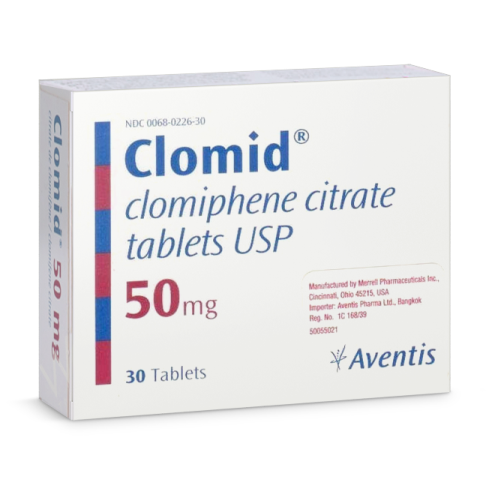
Clomid (clomiphene) is a prescription medication used to help women in the United Kingdom who are struggling to conceive due to ovulatory infertility. It is usually considered when other causes of infertility have been excluded and is often the first-line oral treatment recommended by specialists. Before starting Clomid, it is critical to understand that it does not work for everyone, and its effectiveness, risks, and access are closely connected to how and why it is prescribed in the NHS or private healthcare system.
Clomid in the UK: The Realities Behind the Prescription
“We tried for a year, then another. Every period felt like another door slammed shut.” For many women in the United Kingdom, Clomid represents hope—packaged in a small box, prescribed after long months or even years of waiting. But that prescription is not handed out lightly. In the UK, Clomid is not a routine starting point for anyone struggling to conceive. It is for a very specific kind of infertility, and the pathway to get it is shaped by both clinical and NHS realities.
Most patients hear about Clomid from friends, online forums, or even popular television. What often gets missed is how tightly controlled its use is under UK guidelines. This is not a medication you pick up at the chemist after a quick chat with your GP. Each prescription is a marker: you have had the right tests, other causes have been ruled out, and your treatment is being closely monitored—usually by a fertility specialist.
So for those searching for answers: Clomid is not the beginning of the journey, but often the first real step after everything else has been ruled out. Understanding why it is used this way—and what to expect if you are prescribed it—can make the difference between hope and frustration.
Who Actually Benefits from Clomid?
The question is not, “Can Clomid help me get pregnant?” but rather, “Am I the kind of patient Clomid helps most?” In the UK, Clomid is reserved primarily for women with ovulatory dysfunction—that is, women who do not ovulate regularly or at all. This is most commonly seen in polycystic ovary syndrome (PCOS), but not all women with PCOS or irregular cycles are good candidates.
- Ovulatory Dysfunction
- When the ovaries do not release an egg (ovulate) regularly, leading to difficulty conceiving.
- Women with regular ovulation (predictable cycles) will not benefit from Clomid—no matter how long they have been trying to conceive.
- Those with blocked fallopian tubes, severe male factor infertility, or ovarian failure will not see results from Clomid alone.
- Age matters: Success rates decline after 35, and sharply after 40, due to egg quality—not something Clomid can fix.
- Body weight can change how well Clomid works. Both underweight and overweight women may see reduced effectiveness.
For eligible women, Clomid can be life-changing. For others, it is not just ineffective—it may delay the right treatment. That’s why NHS and private clinics in the UK emphasise robust testing before Clomid is ever discussed.
What Clomiphene Does—And Why This Matters for Fertility
Clomiphene, the active ingredient in Clomid, is not a hormone but a “selective oestrogen receptor modulator” (SERM). In plain English, it tricks your brain into thinking oestrogen levels are lower than they really are. This nudges your pituitary gland to release more FSH (follicle-stimulating hormone) and LH (luteinising hormone), which in turn encourage the ovaries to ripen and release an egg.
For women who do not ovulate, this cycle reset can be transformative. But the process is not gentle for everyone. Clomiphene can lead to more eggs maturing than usual, which is why multiple pregnancies (twins, rarely triplets) are slightly more common, though not at the rates some expect from media stories.
- SERM
- Selective oestrogen receptor modulator: a class of drugs that can block or activate oestrogen receptors in different tissues.
Clomiphene’s “trick” matters for more than just ovulation. Because it blocks oestrogen in some tissues, it sometimes affects the lining of the uterus or cervical mucus, which can—paradoxically—make conception harder for a subset of women. This is one clinical reason why some patients will ovulate on Clomid but still not conceive after several cycles.
“The biggest surprise for many patients is that ovulation is not the only hurdle. We see women ovulate beautifully on clomiphene, yet pregnancy does not follow. That’s when we consider factors like endometrial thickness or sperm entry, which Clomid can affect in subtle but significant ways.”
How Clomid Treatment Feels in Real Life
The reality of a Clomid cycle is less about daily pill-taking and more about what happens in the body—and the mind—over a few tense weeks. Most women take a single tablet daily for five days, usually starting on day 2, 3, 4, or 5 of the menstrual cycle, as directed by their fertility specialist. Then comes the wait: tracking ovulation, timed intercourse, and the anxious two-week wait for a possible positive test.
Physical side effects can resemble PMS or menopause: hot flushes, mood swings, headaches, and abdominal discomfort. But emotional side effects, for many, are just as real. Each cycle carries fresh hope—and the pressure of making every attempt count, especially when NHS funding limits the number of cycles covered (often three to six in total).
- Blood tests or ultrasound scans are sometimes used to check if ovulation has occurred—especially on the first cycle.
- Some women feel nothing at all; others find the mood swings and flushes disrupt daily life for a few days each month.
- Almost every patient worries, mid-cycle, if they’re “doing it right” or if a missed dose or a late night will ruin their chance. (It almost never does.)
Few patients will need bloodwork every cycle once response is established, unless there are questions about ovulation or side effect management. This is a medication designed for short-term use—nearly always limited to a maximum of six cycles to minimise risk and avoid delaying more advanced treatments if needed.
Clomid vs. Other Female Infertility Options: Practical Differences
Choosing between Clomid, letrozole (an aromatase inhibitor), and injectable gonadotrophins is not just about success rates—it’s about your diagnosis, risk profile, convenience, and what is offered in your NHS trust or private clinic. Below is a comparison table that highlights the clinical and practical differences most relevant to women in the UK.
| Attribute | Clomid (Clomiphene) | Letrozole | Gonadotrophin Injections |
|---|---|---|---|
| Indication | First-line for ovulatory dysfunction (esp. PCOS) | Alternative for PCOS, some Clomid-nonresponders | Second-line, or when oral agents fail |
| Mechanism | SERM—stimulates more FSH/LH | Aromatase inhibitor—lowers oestrogen, increasing FSH | Directly provides FSH/LH |
| Typical Monitoring | Variable; sometimes none, sometimes bloods/scans | As for Clomid, though rarely more intensive | Routine scans/bloods every cycle |
| Risk of Multiples | ~8-10% twins; <1% higher order | ~4-6% twins; rare triplets | 10-30% twins; higher triplets rate |
| Side Effects | Hot flushes, mood swings, visual disturbances, rarely ovarian cysts | Fatigue, headache, less hot flushes, less endometrial thinning | Injection site reactions, bloating, higher ovarian hyperstimulation risk |
| Ease of Use | Oral, 5 days/cycle | Oral, 5 days/cycle | Subcutaneous/intramuscular injection, variable days |
| Prescription Status (UK) | Specialist prescription only | Off-label for infertility, prescribed by specialists | Specialist prescription and monitoring required |
| Cost (2019 NHS Tariff Entry) | £20-40 per cycle (private); covered by NHS for eligible patients | £30-50 per cycle (private); sometimes NHS, off-label | £500+ per cycle (private); limited NHS access |
| Typical Use Limit | Up to 6 cycles | Up to 5-6 cycles | Varies; often progressed to IVF if unsuccessful |
For most women with PCOS-related ovulatory issues, Clomid is the first oral medication tried. Letrozole is increasingly used in the UK for patients who do not respond to Clomid, or where side effects are problematic. Injectable gonadotrophins are more intensive—used when oral agents fail or when closer monitoring is required, but are rarely first choice due to cost and higher risk of complications.
Taking Clomid Correctly: A UK Patient’s Guide
Getting the dose and timing right is less complicated than most patients fear—but a few details matter. In the UK, Clomid is prescribed at the lowest effective dose, usually 50 mg daily for five days. The starting day can vary depending on your cycle and your doctor’s preference, but is almost always within the first five days of menstruation.
| Indication | Starting Dose | Timing (Cycle Day) | Maximum Cycles |
|---|---|---|---|
| Ovulatory Dysfunction (PCOS / Irregular Cycles) | 50 mg once daily | Day 2-5 for 5 days | 6 |
| Insufficient response | Up to 100 mg once daily | Day 2-5 for 5 days | 6 |
Most women will ovulate with the starting dose. If not, the dose may be increased for future cycles under careful supervision—never on your own. Exceeding the recommended dose or duration adds no benefit and increases risks, including ovarian hyperstimulation and negative effects on the uterine lining.
- Take tablets at the same time each day, with or without food.
- If you miss a dose, do not double up. Take the next dose as scheduled and inform your fertility team.
- Never take more than the prescribed dose, and never attempt a repeat course without clinical advice.
Medical supervision is essential—this is not a medication for self-directed use. Your care team will advise on timing, dose adjustments, and what to do if ovulation does not occur after several cycles.
Which Side Effects Matter Most with Clomid—And When to Act
Every medication carries risks, and Clomid is no exception. The side effects most commonly reported—hot flushes, headaches, mood swings, breast tenderness—usually occur only during the five days of tablet use and resolve on their own. But a few effects deserve closer attention.
- Visual disturbances (blurred vision, spots, or flashes): Uncommon but important to report immediately—may require stopping treatment.
- Abdominal pain or bloating: Mild discomfort is common, but severe or persistent pain can signal ovarian hyperstimulation or cysts.
- Mood changes: Irritability and mood swings are frequent; severe depression is rare but should be discussed urgently with your doctor.
- Ovarian cysts: Detected by scan, usually resolve on their own after treatment stops.
| Side Effect | How Often? | When to Contact a Doctor |
|---|---|---|
| Hot flushes | ~10-30% | If severe, persistent, or disabling |
| Headaches | ~5-15% | If severe or not relieved by simple measures |
| Visual disturbances | 1-2% | Immediately, treatment may need to stop |
| Abdominal pain/bloating | 10-20% | If severe or associated with breathlessness |
| Mood swings | ~10% | If mood becomes very low or aggressive |
| Ovarian cysts | 1-5% | If pain is severe or persistent |
Most side effects are manageable and temporary. Rare but serious reactions need prompt action—not because they are common, but because prompt attention prevents complications. If in doubt, contact your fertility team or NHS 111 for advice.
When Not to Take Clomid: Warnings and Cautions
- Pregnancy: Clomiphene can harm an existing pregnancy. Always confirm with a test before each cycle.
- Liver disease: Current or past severe liver dysfunction is an absolute barrier to Clomid use.
- Unexplained abnormal uterine bleeding: Until the cause is identified and treated, Clomid is not advised.
- Pre-existing ovarian cysts (not due to PCOS): Risk of enlargement or rupture increases with treatment.
- Hormone-dependent tumours (e.g., breast, uterine): Clomid can, in theory, stimulate growth and is contraindicated.
- Severely elevated BMI (>35): Reduced efficacy and higher risk of side effects; alternative approaches may be considered first.
- Age over 40: Lower success rates and higher risk of complications require careful discussion.
- Uncontrolled thyroid or adrenal disorders: Treat these first for best outcomes.
Self-medicating with Clomid—especially via unregulated sources—carries serious risks. Always use under the supervision of a fertility specialist.
Accessing Clomid in the UK: Paths, Prices, and Pitfalls
Clomid’s journey from prescription to pill box is a uniquely British process. Unlike some countries, you cannot purchase Clomid from a pharmacy without a prescription—either on the NHS or through a registered private provider. The reason is simple: The medication’s safety and effectiveness depend on correct diagnosis, timing, and monitoring.
- NHS Pathway
-
- Referral from your GP to a fertility specialist or clinic.
- Comprehensive testing to confirm ovulatory dysfunction and exclude other causes.
- Prescription written and dispensed, often by hospital pharmacy.
- Up to six cycles covered for eligible women, subject to local funding policies.
- Private Clinics
-
- Faster access in some cases, but costs are out-of-pocket—typically £20-40 per cycle for medication, plus consultation and monitoring fees.
- Still requires prescription and clinical supervision.
- Online Pharmacies
-
- Legal for UK-registered pharmacies to fill valid private or NHS e-prescriptions only. Beware of websites offering clomiphene “without prescription”—these are unregulated and potentially unsafe.
Clomid is not subject to routine reimbursement for non-infertility indications, and NHS funding can be restricted by Clinical Commissioning Group (CCG) criteria. If you do not meet the criteria, discuss private options with your fertility team—but beware hidden costs of “package” offers online.
Availability can vary based on manufacturer supply and NHS trust procurement. Delays are uncommon but possible, especially at smaller clinics. Most patients will not encounter shortages, but it is worth asking your provider or pharmacist about stock if your cycle timing is critical.
Clomid in the UK: Your Questions Answered
- Can I ask my GP for Clomid, or do I need a specialist?
- While your GP can start the initial infertility workup, Clomid is usually prescribed and monitored by a fertility specialist in the UK. Referral is standard to ensure correct diagnosis and safe use.
- Is Clomid available on the NHS, and will I have to pay for it?
- Clomid is funded on the NHS for eligible women, usually after a full fertility assessment. Prescription charges may apply, but the drug itself is not expensive. Some areas, however, have tighter criteria for publicly funded treatment.
- How many cycles of Clomid can I try?
- The usual maximum is six cycles. Most pregnancies occur within the first three, so extended use offers little extra benefit and increases risk. If you have not conceived after six cycles, your clinic will recommend moving to other treatments.
- What should I do if I miss a dose during my Clomid cycle?
- Do not double up. Take your next dose as scheduled and inform your fertility team. Missing a single tablet rarely affects outcomes, but consistency is best for monitoring and results.
- Is Clomid safe for women over 40?
- Success rates drop significantly after 40, and risks—including multiples and side effects—rise. Treatment is considered case by case; many clinics discuss alternative approaches for women over 40.
- Can I buy Clomid online in the UK?
- Only from UK-registered online pharmacies with a valid prescription. Sites offering clomiphene without prescription are unregulated and potentially dangerous. Always verify registration with the General Pharmaceutical Council.
- Does Clomid cause birth defects or long-term harm?
- No increased risk of birth defects has been shown in large studies, but Clomid should never be taken during pregnancy. Long-term health risks from short, supervised courses are not supported by current evidence.
- My cycles are regular; can Clomid help me anyway?
- Clomid is unlikely to help women who already ovulate regularly. Other causes of infertility should be investigated with your fertility team to find the right approach.
Sources / References
- NHS: Infertility treatments
- National Institute for Health and Care Excellence (NICE): Fertility problems: assessment and treatment. Clinical Guideline [CG156], 2013
- Medicines and Healthcare products Regulatory Agency (MHRA): Homepage
- British Fertility Society: Homepage
- European Medicines Agency (EMA): Clomid – European Public Assessment Report
- Royal College of Obstetricians & Gynaecologists: Homepage
- Patient.info: Clomifene for infertility
- Official manufacturer prescribing information (UK): Clomid (clomifene citrate), Ferring Pharmaceuticals Ltd.