
- Home/
- Buy Rybelsus in Online Pharmacy in the United Kingdom
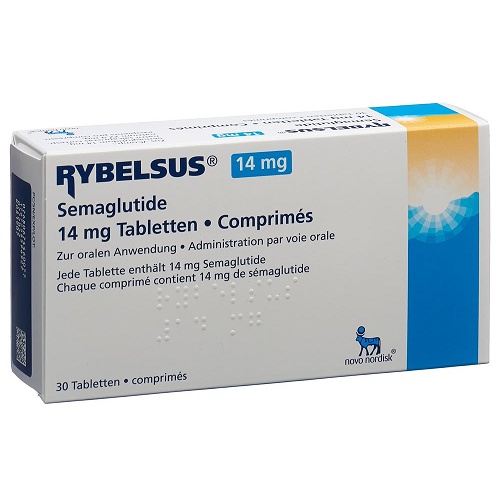
Rybelsus is a prescription tablet for adults with Type 2 Diabetes in the United Kingdom. It contains semaglutide, a medicine that helps lower blood sugar and may support weight loss—without injections. Before starting, know this: taking Rybelsus means committing to a daily routine and understanding how side effects and interactions may affect you differently than other diabetes treatments.
Why Rybelsus Is on the Radar for Type 2 Diabetes in the UK—And Who Should Actually Consider It
There’s a turning point for many people with Type 2 Diabetes in the UK. Tablets, diet and exercise aren’t quite doing enough, but the idea of daily or weekly injections feels like a step too far. In come the headlines: “Rybelsus—a once-daily tablet, no needles required.” For some, this sounds like a game-changer. For others, just another drug among dozens.
But is Rybelsus actually right for you—or is it just another name on the growing list of Type 2 Diabetes options? The answer depends on where you are in your treatment journey, your blood sugar control, weight, personal preferences, and what you’ve already tried. In the UK, National Institute for Health and Care Excellence (NICE) guidelines typically position Rybelsus as an option when metformin and lifestyle changes haven’t achieved target blood sugar, especially when weight or cardiovascular risk are concerns.
What sets Rybelsus apart isn’t just its active ingredient, semaglutide. It’s about how it fits into the life of a UK patient—a tablet you take at the same time, every morning, with strict rules around food and drink. That routine suits some people perfectly. For others, it’s more complicated than their previous pill regimens.
Many patients arrive at Rybelsus after trying one or more oral agents (like metformin, sulfonylureas, DPP-4 inhibitors) and needing more effective control—often alongside concerns about weight gain, cardiovascular risk, or fear of hypoglycaemia.
Doctor’s Perspective: “We see two types of patients considering Rybelsus. There are those who are needle-averse, for whom a daily tablet is genuinely life-changing, and those whose weight and cardiovascular profile push us towards a semaglutide-based option. The real-world challenge? Making sure the promise of a tablet matches the reality of strict dosing, potential nausea, and realistic weight or glucose targets.”
- Best suited for: Adults with Type 2 Diabetes who have not achieved control with metformin, need more than one oral agent, or specifically want to avoid injections.
- Not suitable for: Children, people with Type 1 Diabetes, those with previous serious allergic reaction to semaglutide or any of the ingredients, or those with certain personal or family histories (explored later).
- Why it’s different: No other GLP-1 receptor agonist is available as a tablet in the UK; injectables remain alternatives for many.
How Rybelsus Works: What Semaglutide in Tablet Form Means for Your Body
Instead of starting with how Rybelsus works in the lab, let’s look at what you’ll actually notice. Some patients say, “I just don’t feel as hungry,” while others describe more stable blood sugar readings, especially after meals.
Under the skin—and in this case, through the gut—semaglutide mimics a hormone called GLP-1. This hormone is naturally released after you eat, helping your body release insulin, lower blood sugar, suppress appetite, and signal satiety to your brain. Semaglutide does this more powerfully and for longer, leading to better glucose control and often some weight loss—sometimes a lot, sometimes only a little.
- GLP-1 Receptor Agonist
- A class of medicines that act like the body’s own glucagon-like peptide-1, stimulating insulin release, reducing glucagon, slowing stomach emptying, and helping people feel full sooner.
What’s unique with Rybelsus is the way semaglutide gets into your system. Tablets are digested by the gut, and the body usually breaks down protein drugs quickly. Rybelsus uses a special technology (an absorption enhancer called SNAC) to protect semaglutide and get enough into the bloodstream for it to work. It’s a delicate balance: if you eat too soon, or drink more than a sip of water with your tablet, less medicine is absorbed—and it may not work as well.
- Action in practice: Lower fasting and post-meal blood sugar, reduce appetite, and for many, modest to significant weight loss.
- What you might feel: Early fullness, sometimes nausea, changes in how you think about food, and more predictable glucose levels.
- What’s less obvious: Lowered cardiovascular risk in some patients with established heart disease—based on results from injectable semaglutide, with oral semaglutide evidence still emerging.
It’s the combination of blood sugar control and weight impact—without hypoglycaemia unless combined with other agents—that has made GLP-1 therapies, including Rybelsus, the focus of global attention.
Taking Rybelsus Day-to-Day: What Changes—and What Doesn’t
Some medications fit quietly into your routine; Rybelsus demands a new rhythm. It’s not just a tablet—it’s a ritual. Each morning, you’ll take your Rybelsus on an empty stomach, with a sip of water (no more than 120 mL), and then wait at least 30 minutes before eating, drinking anything else, or taking other medicines. Miss that window, and absorption—and effect—drops.
For some UK patients, this routine represents control: a small, daily act that shapes the day’s outcomes. For others, the 30-minute wait can be inconvenient, particularly if mornings are rushed or unpredictable. The strictness is not optional; it is what allows Rybelsus to work at all.
Most people start at 3 mg daily for the first 30 days, increasing to 7 mg, and sometimes up to 14 mg. Increasing too fast increases side effects. Your doctor will advise on exact timing and dose changes, but the approach is always gradual.
| Step | Daily Dose | Duration | When Adjust? |
|---|---|---|---|
| Start | 3 mg | 30 days | Always 30 days before increasing |
| Usual Maintenance | 7 mg | Until target or side effects | Consider increase if not controlled |
| Maximum | 14 mg | Ongoing | If 7 mg not adequate and tolerated |
Some patients stay at 7 mg, especially if blood sugar control improves and side effects at higher doses are problematic. Others move to 14 mg under medical supervision. There is no benefit to taking more than 14 mg daily; the effect plateaus, and side effects increase.
- Routine disruptions: If you miss a dose, skip it; do not double up the next day. If vomiting or diarrhoea occurs soon after dosing, do not repeat—resume the next day.
- Monitoring: Blood sugar checks at home, weight checks monthly, and regular reviews with your diabetes team remain essential. Rybelsus is not a “set and forget” medicine.
- Interactions: Especially important for medicines taken in the morning—thyroid medications, other diabetes tablets, and supplements must be spaced carefully.
Rybelsus vs Other Type 2 Diabetes Medications: The Real Comparison
Choosing a diabetes treatment is rarely about one perfect drug. It’s about what works for you—considering blood sugar, weight, heart risk, side effects, convenience, and cost. Here’s how Rybelsus stacks up against the two main alternatives in the UK: injectable GLP-1 agonists and commonly used oral agents.
| Attribute | Rybelsus (Oral Semaglutide) | Injectable GLP-1 Agonists (e.g. Ozempic, Trulicity) |
DPP-4 Inhibitors (e.g. Sitagliptin, Linagliptin) |
|---|---|---|---|
| How taken | Tablet, daily (strict fasting) | Injection, weekly or daily | Tablet, daily (flexible) |
| Main effect | HbA1c ↓ 1.0–1.3%, weight loss 2–4 kg | HbA1c ↓ 1.0–1.5%, weight loss 2–6 kg | HbA1c ↓ 0.5–0.8%, neutral on weight |
| Hypoglycaemia risk | Low (unless with sulfonylurea/insulin) | Low | Low |
| Cardiovascular benefit | Emerging evidence | Established in high-risk | No benefit |
| GI side effects | Common: nausea, diarrhoea | Common: nausea, vomiting | Rare |
| UK prescription | Yes, NHS/private | Yes, NHS/private | Yes, NHS/private |
| Cost/reimbursement | NHS covers per criteria; private cost higher | NHS covers per criteria | Widely covered |
| Ease of use | Tablet, but strict timing | Injection, flexible meals | Tablet, any time |
For many in the UK, the choice comes down to delivery method and impact on weight or heart risk. Rybelsus is the only GLP-1 option without an injection—but requires diligence with dosing, and its cardiovascular data is still evolving compared to injectables. DPP-4 inhibitors are easier to take but less potent for blood sugar and offer no weight or heart benefit.
Many patients in the UK move to Rybelsus when they are not ready for injections or have not had success with other oral agents. Some prefer injectables for more potent effects, especially on weight. It’s rarely a one-size-fits-all decision; your diabetes team will guide you based on your medical history, preferences, and NHS access rules.
Which Side Effects Matter Most with Rybelsus—And When to Act
Nausea is the headline side effect with Rybelsus, especially in the first weeks or after dose increases. Diarrhoea, abdominal pain, and decreased appetite are also common. Most side effects are mild and settle with time or dose adjustment. But some require prompt attention.
Unlike some diabetes drugs, Rybelsus rarely causes hypoglycaemia on its own. However, when used with sulfonylureas or insulin, the risk increases—blood sugar checks and sometimes dose reductions are needed.
Some people experience changes in taste, fatigue, or mild increases in heart rate. Allergic reactions are rare but serious—facial swelling, difficulty breathing, or rash require stopping the drug and seeking medical help.
Long-term, there is a theoretical risk of thyroid tumours based on animal data, but this has not been observed in humans. Nevertheless, anyone with a personal or family history of medullary thyroid cancer or MEN2 syndrome must not use Rybelsus.
| Side Effect | How Common? | When to Contact Doctor? |
|---|---|---|
| Nausea | Very common (≥10%) | If severe, prolonged, or prevents eating/drinking |
| Diarrhoea | Common (≥1%–10%) | If persistent, severe, or causes dehydration |
| Vomiting | Common (≥1%–10%) | If ongoing or with abdominal pain |
| Abdominal pain | Common (≥1%–10%) | Immediately if severe or sudden onset |
| Hypoglycaemia (with other drugs) | Common (≥1%–10%) | If frequent or severe, adjust other diabetes meds |
| Allergic reaction | Rare (<1%) | Stop and seek urgent medical help |
| Signs of pancreatitis | Rare (<1%) | Stop and seek urgent medical help |
Side effects tend to be worst after starting or when raising the dose. Most will lessen over time. If they persist or disrupt daily life, options include slowing dose escalation, taking the dose at a different time, or switching medications. Don’t suffer in silence—contact your diabetes team if you have concerns.
When Not to Take Rybelsus: Absolute and Relative Contraindications
- You have a personal or family history of medullary thyroid carcinoma or Multiple Endocrine Neoplasia syndrome type 2 (MEN2).
- You have had a previous severe allergic reaction to semaglutide or any ingredient in Rybelsus.
- You are under 18 years old, pregnant, or breastfeeding.
- You have Type 1 Diabetes or diabetic ketoacidosis.
- You have a history of pancreatitis—risk may be increased.
- You have severe gastrointestinal disease—symptoms may worsen.
- You use other drugs that lower blood sugar—greater risk of hypoglycaemia; doses may need adjusting.
- You have significant kidney or liver impairment—monitoring and specialist advice is needed.
Accessing Rybelsus in the UK: NHS, Private, and Pharmacy Pathways
In the United Kingdom, Rybelsus is a prescription-only medicine. You cannot buy it over the counter or from unverified online sources. The safest and legal routes are through either your NHS GP/diabetes specialist or a registered private provider.
- NHS: Rybelsus is available on the NHS for adults with Type 2 Diabetes who meet NICE criteria (generally, after first-line therapy has failed or if there are specific indications such as weight or cardiovascular risk). Your GP, diabetes nurse, or hospital consultant can prescribe it.
- Private prescription: Some patients access Rybelsus privately, especially if they do not meet strict NHS criteria or wish to start treatment sooner. Costs vary, and you will still need a valid UK prescription.
- Pharmacy access: Dispensing is through regulated high-street or online UK pharmacies—never via unregulated websites. Pharmacists will check your prescription and may offer advice on timing and side effects.
- Cost: On the NHS, standard prescription charges apply unless you are exempt. Privately, the cost per 30-tablet pack ranges from £70–£120 (as of 2024), depending on dose and provider; this is not reimbursed.
- Regulation: The Medicines and Healthcare products Regulatory Agency (MHRA) oversees Rybelsus approval and safety monitoring in the UK.
If Rybelsus is not available from your usual pharmacy, your prescriber can direct you to alternative suppliers or discuss switching to another GLP-1 agonist—though national shortages have occasionally affected all drugs in this class.
FAQ: Answers to Questions UK Patients Actually Ask
- Can I switch to Rybelsus if I’m already on another GLP-1 injection?
- Many patients transition between GLP-1 injections (like Ozempic or Trulicity) and Rybelsus. The switch isn’t automatic: your diabetes team will consider your blood sugar control, side effect profile, and personal preference. Dosing schedules and effect are not identical, so medical supervision is essential during the switch.
- Will Rybelsus help me lose weight, or is it just for blood sugar?
- Rybelsus often leads to modest weight loss, especially in the early months and in combination with healthy eating and activity. The amount differs widely between individuals. Some lose significant weight; others see little change. It is licensed for Type 2 Diabetes, not for obesity alone in the UK.
- What should I do if I miss a dose or eat too soon after taking Rybelsus?
- Skip the missed dose—do not take two the next day. If you eat or drink early, the medicine may not be fully absorbed; continue as usual the next morning. Consistency each day is more important than trying to “make up” for a mistake.
- Can I drink alcohol while taking Rybelsus?
- Moderate alcohol is not specifically contraindicated, but alcohol can affect your blood sugar and may increase the risk of gastrointestinal side effects. Always discuss with your doctor, especially if you drink regularly or have complications.
- How long does it take for Rybelsus to start working?
- Some people see lower blood sugar within a week or two, but full effect—especially on weight and HbA1c—usually develops over several months. Side effects like nausea may appear sooner, especially after dose increases.
- Will I need to test my blood sugar more often on Rybelsus?
- If you take Rybelsus alone, frequent home testing isn’t usually required after the first few weeks unless advised by your diabetes team. If combined with insulin or sulfonylureas, extra monitoring is needed, particularly after starting or increasing doses.
- What if Rybelsus doesn’t work for me?
- If your blood sugar hasn’t improved after two to three months at the maintenance dose, or if side effects are intolerable, your doctor may recommend switching to an injectable GLP-1 agonist or another class of medicine. Not every patient responds the same way.
- Is Rybelsus safe during pregnancy or while breastfeeding?
- No. Rybelsus is not recommended during pregnancy or breastfeeding. If you are planning pregnancy, tell your doctor as early as possible so your treatment can be adjusted safely.
Sources / References
- Semaglutide (Rybelsus and Ozempic) – NHS Medicines A–Z, NHS UK
- Rybelsus: EPAR – European Medicines Agency
- Type 2 Diabetes in Adults: Management, NICE Guideline NG28, 2022
- Medicines and Healthcare products Regulatory Agency (MHRA), UK Government
- Rybelsus (semaglutide) Prescribing Information, Novo Nordisk Ltd., UK
- Diabetes UK
- ClinicalTrials.gov
- Semaglutide (Oral Route): Proper Use – Mayo Clinic