
- Home/
- Buy Ventolin Inhaler in Online Pharmacy in the United Kingdom
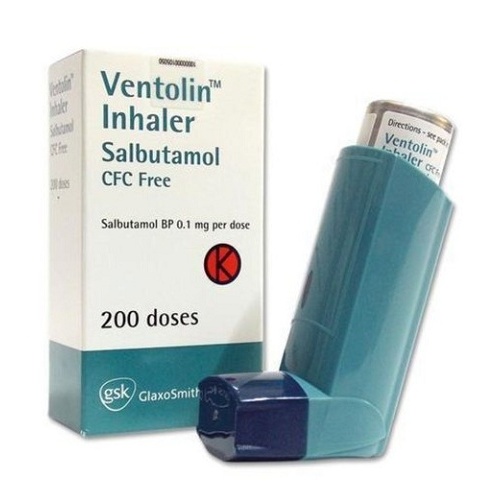
Waking in the Night: The Real Role of Ventolin Inhaler
It’s 2:37am. You’re awake, heart pounding, tightness in your chest. The room is quiet except for the sound of your breathing—faster, more laboured than it should be. This is the moment Ventolin Inhaler is made for. Not as a background remedy, but as the frontline in those sharp, urgent moments asthma asserts itself.
For thousands in the United Kingdom, this scene is all too familiar. The blue inhaler on the bedside table isn’t just a medical device; it’s peace of mind in a plastic case. Ventolin Inhaler’s promise is speed—relief in minutes, not hours. But that’s only half the story. Its presence tells another truth: if you need Ventolin more than a couple of times a week, your asthma may be trying to tell you something. That blue inhaler is a signal, not a solution.
“Most patients think of the Ventolin Inhaler as a rescue, but what matters is how often you’re reaching for it. If you’re using it more than twice a week, that’s a flag your asthma isn’t under control—even if you feel fine the rest of the time.”
—Consultant Respiratory Physician, NHS
The real value of Ventolin Inhaler isn’t just its ability to open up your airways, but how it teaches you about your asthma. It’s a barometer: how many times you use it is as much a medical fact as your peak flow reading or your prescription count.
How Fast and Reliable is Ventolin Inhaler When Every Breath Counts?
When your chest tightens or you start to wheeze, minutes matter. Ventolin Inhaler, powered by salbutamol, is engineered for these moments. Most patients feel relief within five minutes—a fact supported by decades of clinical experience and robust NHS guidance (NHS website).
- Peak effect is reached 30 minutes after inhalation, but most people can feel easier breathing long before that.
- The effect generally lasts 4 to 6 hours, though this can vary—especially if you have more severe or brittle asthma.
- Inhaler technique is everything: poorly delivered doses mean slower, less reliable relief.
Salbutamol’s rapid action makes it the gold standard for rescue therapy in asthma attacks—but relying on Ventolin too often can mask poorly controlled disease. The difference between using it for a rare flare and reaching for it daily is the difference between asthma that’s under control and asthma that’s quietly getting worse.
What Salbutamol Does—And Why That Matters for Your Kind of Asthma
Salbutamol is a short-acting beta2-agonist (SABA). It acts by relaxing the smooth muscle around your airways, opening them wide within minutes. But that’s not the same as treating the inflammation at the root of most asthma. For patients whose main problem is sudden bronchospasm—often triggered by exercise, cold air, or allergens—salbutamol’s action is exactly what’s needed. For others with persistent symptoms, it’s only a temporary fix.
- How does Salbutamol differ from other asthma medications?
- Long-acting beta2-agonists (LABAs), like salmeterol and formoterol, stay active for 12 hours or more but are not suitable for acute relief. Inhaled corticosteroids (like beclometasone) tackle inflammation, not immediate symptoms. Salbutamol is unique for its speed and short duration.
- What does this mean for me?
- If your asthma is mostly triggered and rare, Ventolin may be the only inhaler you need. But for persistent symptoms, guidelines recommend pairing Ventolin with a preventer (usually a steroid inhaler).
Salbutamol’s place is clear: quick, reliable relief—but never as a substitute for long-term control. If you’re unclear about which kind of asthma you have, or whether you should be on more than one inhaler, that’s a conversation worth having with your GP or specialist.
The Unwritten Rules of Ventolin Inhaler: Beyond the Prescription
Every person with asthma in the UK has, at some point, stared at the clock waiting for a prescription to be renewed, or wondered if it’s okay to use their partner’s inhaler in a pinch. What isn’t always written in the patient information leaflet is how Ventolin Inhaler fits into your daily life—and the hidden pitfalls that can catch you out.
- Technique trumps technology: Even the best inhaler won’t work if you’re not using it right. Many patients only realise years in that their technique is subpar. Ask for a refresher every asthma review.
- Counting doses isn’t optional: Most Ventolin Inhalers in the UK have dose counters, but some don’t. Don’t wait until it’s empty to order a repeat—getting caught out is all too common.
- Sharing is not caring: Using someone else’s inhaler (or letting someone use yours) can cause problems, including incorrect dosing and cross-contamination.
- Travel rules matter: Always carry your inhaler in hand luggage. Security at UK airports are used to seeing inhalers, but you’ll need your prescription or a pharmacy label if questioned.
- Heat, cold, and moisture: Ventolin Inhalers are robust, but extreme temperatures can cause the medication to degrade or the canister to malfunction. Don’t leave it in the car on a hot day or freeze it in winter.
Ventolin Inhaler vs. Other Asthma Relievers: Where Does It Stand?
The blue Ventolin Inhaler is instantly recognisable, but it’s not the only reliever in the UK. Alternatives—branded and generic—often contain the same active ingredient, salbutamol, or related medications like terbutaline. Does it matter which one you use? Sometimes, yes.
| Attribute | Ventolin Inhaler | Salamol Inhaler (Generic Salbutamol) | Bricanyl Turbohaler (Terbutaline) |
|---|---|---|---|
| Active Ingredient | Salbutamol (100 mcg per actuation) | Salbutamol (100 mcg per actuation) | Terbutaline (500 mcg per dose) |
| Onset of Relief | Within 5 minutes | Within 5 minutes | Within 5 minutes |
| Duration | 4–6 hours | 4–6 hours | 6 hours |
| Device Type | Metered dose inhaler (MDI) | MDI | Dry powder inhaler |
| Prescription Status (UK) | Prescription-only | Prescription-only | Prescription-only |
| Price (NHS, typical)* | ~£1.50–£3.00 per inhaler | ~£1.00–£2.50 per inhaler | ~£6.00–£7.50 per inhaler |
| Common Side Effects | Tremor, tachycardia | Tremor, tachycardia | Tremor, headache |
The biggest difference in daily life isn’t the active ingredient, but the device. Ventolin’s metered dose inhaler is familiar and easy for most to use, but some patients find dry powder inhalers like Bricanyl easier if they struggle with coordination. Pricing differences are minor at NHS rates, but outside the NHS—such as private prescriptions—they can matter more. Effectiveness is broadly similar for all these relievers, but if you don’t get on with one device or have technique issues, ask your doctor or asthma nurse to try another.
Dosing Ventolin Inhaler in the Real World: What Patients Actually Do
Most adults and children over 12 in the UK are prescribed 1 or 2 puffs of Ventolin when symptoms strike, or before known triggers like exercise. The maximum usual dose is 8 puffs in 24 hours, but frequent use is a red flag for poor asthma control. Children under 12 usually receive lower doses, tailored to their needs and age.
| Patient Group | Usual Dose per Episode | Maximum in 24 hours | Special Considerations |
|---|---|---|---|
| Adults & Adolescents (12+) | 1–2 puffs as needed | 8 puffs | Pre-exercise use is common |
| Children 4–11 years | 1 puff as needed | 8 puffs | Often used with a spacer |
| Children under 4 | As prescribed by specialist | As directed | Always under medical supervision |
| Renal/Hepatic Impairment | No standard adjustment | See specialist guidance | Monitor closely if problems arise |
What’s not on the prescription: spacing out doses is as important as the maximum number per day. If you find yourself needing more than 4 puffs in a single hour, or if your symptoms aren’t settling, that’s a sign to seek urgent medical advice. Overuse can actually make things worse by masking severe asthma that needs steroid treatment.
Which Side Effects Matter Most with Ventolin Inhaler—And When to Act
Ventolin Inhaler is generally well tolerated, but even at normal doses, side effects can appear. The most common—tremor (shakiness), feeling your heart race, or a slight headache—are usually mild and fade within an hour. These are not dangerous, but they are reminders of the medication’s effect on your body.
- Worsening wheeze immediately after use (paradoxical bronchospasm) is rare but serious—stop using the inhaler and seek medical help.
- Persistent palpitations or chest pain should prompt urgent review—especially if you have underlying heart disease.
- Nervousness, cramps, or low potassium are uncommon but can be significant if you’re on other medications (like diuretics) or have kidney problems.
| Side Effect | Frequency | When to Contact a Doctor |
|---|---|---|
| Tremor (shakiness) | Common (10–20%) | If severe, persistent, or disabling |
| Palpitations / Fast Heartbeat | Common (up to 10%) | If you feel dizzy, faint, or have chest pain |
| Headache | Common (5–10%) | If lasting more than a few hours or associated with vision changes |
| Paradoxical bronchospasm | Rare (<1%) | Stop using and seek immediate help |
| Muscle cramps | Uncommon (<5%) | If persistent or severe |
| Nervousness / Anxiety | Uncommon (<5%) | If it affects your daily life |
If you’re unsure whether a symptom is related to Ventolin or just your asthma, it’s always safer to check. Side effects are usually short-lived, but ignoring them—especially increased use or severe reactions—can have consequences. If in doubt, err on the side of caution and speak to your GP or asthma nurse.
Getting Ventolin Inhaler in the United Kingdom: Prescription, Pricing, and Access
In the UK, Ventolin Inhaler is a prescription-only medicine (POM). This means you’ll need authorisation from a prescriber—usually a GP, nurse prescriber, or asthma specialist—before you can collect it from a pharmacy. Repeat prescriptions are easy to set up through NHS online services or your local surgery.
- Most patients in England pay the standard NHS prescription charge (currently £9.65 per item, as of 2024), unless eligible for exemption.
- In Scotland, Wales, and Northern Ireland, prescriptions are free for residents.
- Many GP surgeries now offer electronic repeat dispensing—ask if you qualify, especially if you use Ventolin regularly.
- Registered online pharmacies can dispense Ventolin Inhaler, but must follow the same rules as high street pharmacies.
- Emergency supplies are available at some pharmacies if you run out—bring proof of prior prescription.
Prices outside the NHS—such as private prescriptions or purchases abroad—can vary widely. Always use a registered pharmacy and be wary of sources that do not require a prescription. The NHS and MHRA provide up-to-date guidance on safe and legal access (NHS, MHRA).
Frequently Asked Questions about Ventolin Inhaler
- How quickly should Ventolin Inhaler work after I use it?
- Most people feel relief within five minutes. If you do not feel any improvement after using it, use your asthma action plan and seek urgent medical attention if symptoms worsen.
- Can I buy Ventolin Inhaler over the counter in the United Kingdom?
- No. Ventolin Inhaler is only available with a prescription in the UK. This is due to the need for regular asthma reviews and the potential for misuse if used without medical supervision.
- What should I do if I need Ventolin more than twice a week?
- This suggests your asthma is not well controlled. Book a review with your GP or asthma nurse as soon as possible—your treatment plan may need adjusting.
- Are there alternatives if I cannot tolerate Ventolin?
- Yes. Salamol is another brand of salbutamol in the UK, and Bricanyl (terbutaline) is a different reliever. Device types differ as well—ask your prescriber about options.
- Is it safe to use Ventolin Inhaler during pregnancy or breastfeeding?
- Yes, when prescribed. Ventolin (salbutamol) is considered safe in pregnancy and breastfeeding, but always let your prescriber know your situation for tailored advice.
- What if my inhaler runs out unexpectedly?
- Many UK pharmacies can offer an emergency supply if you can show proof of a previous prescription. Try to order repeats well before you run out to avoid this scenario.
- Can I use Ventolin Inhaler for conditions other than asthma?
- Ventolin Inhaler is occasionally used for other conditions such as chronic obstructive pulmonary disease (COPD), but always under specific medical advice. Never use it for symptoms unrelated to your diagnosed condition without consulting a healthcare professional.
- Does using Ventolin too much mean I’m addicted?
- No, but frequent use signals your asthma may be poorly controlled. You are not addicted, but your lungs may be sending a warning. See your doctor to discuss your symptoms and treatment.
Sources and References
- NHS: Asthma and Ventolin Inhaler Information
- Medicines and Healthcare products Regulatory Agency (MHRA)
- NICE Guideline NG80: Asthma: diagnosis, monitoring and chronic asthma management
- Ventolin Inhaler Summary of Product Characteristics, GlaxoSmithKline, 2024
- General Pharmaceutical Council (GPhC)
- Electronic Medicines Compendium (eMC): Salbutamol
- Asthma + Lung UK