
- Home/
- Buy Prednisolone Without Prescription in the United Kingdom Online
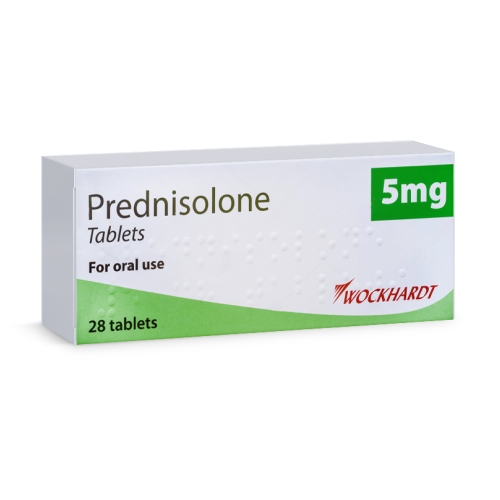
Prednisolone in the United Kingdom (2026): Complete Medical Guide, Safety, Prescription, and Patient Experience
Can I Get Prednisolone Without a Prescription in the UK?
No, Prednisolone is a prescription-only medicine in the United Kingdom. It is illegal to obtain Prednisolone without a valid NHS or private prescription, whether in person or from an online pharmacy. This rule is enforced to protect patient safety and ensure correct use. [NHS]
Key Facts: Prednisolone at a Glance
| Parameter | Details (UK, 2026) |
|---|---|
| Active ingredient | Prednisolone (glucocorticoid) |
| Prescription needed? | Yes (POM – Prescription Only Medicine) |
| Main uses | Inflammatory diseases (e.g., asthma, arthritis), autoimmune conditions, severe allergies, skin disorders |
| Onset of action | 1–2 hours (oral tablet) |
| Most serious risks | Adrenal suppression, infections, osteoporosis, psychiatric effects |
| Formulations | Tablets, liquid, eye drops, rectal foam (varies by brand) |
| Generic available? | Yes (as of 2026, widely available) |
| Typical NHS prescription cost (England) | £9.65 per item (standard NHS charge, unless exempt) |
For a quick understanding: Prednisolone is widely prescribed, effective, but must be used with caution under medical supervision. Never self-medicate.
How Does Prednisolone Work in the Body?
Prednisolone is a synthetic corticosteroid, specifically a glucocorticoid, that binds to glucocorticoid receptors in the cytoplasm of cells. Once bound, the complex migrates into the cell nucleus, where it alters the transcription of anti-inflammatory and immunosuppressive genes. This action leads to a decrease in the production of pro-inflammatory cytokines (such as interleukin-1, interleukin-6, and tumour necrosis factor-alpha) and suppression of immune cell activation.
Additionally, Prednisolone inhibits phospholipase A2, reducing formation of inflammatory mediators like prostaglandins and leukotrienes. This dual mechanism dampens both the immediate and chronic components of inflammation. Unlike simple painkillers, it acts at the genetic level, meaning it can profoundly affect numerous bodily systems.
Simplified metaphor: Imagine Prednisolone as a “mute button” for the body’s overactive alarm system during inflammation. It doesn’t fix the root cause but quiets the symptoms so the body can recover.
- Target: Glucocorticoid receptor (agonist)
- Result: Inhibits immune response, reduces swelling, redness, and allergic reactions
- Independent effect: Works regardless of external factors, but absorption can depend on stomach conditions and co-administered food
Information gain: Recent UK clinical guidelines (2025) emphasise that prolonged use should always be monitored by a specialist to avoid adrenal insufficiency, bone loss, and secondary infections.
Expert Commentary from Dr. A. Williams
In my experience, many patients assume Prednisolone is just a “strong anti-inflammatory” and overlook its systemic effects. A frequent issue I observe is patients abruptly stopping the medication without tapering, leading to adrenal crisis—a potentially fatal complication. Another pitfall is ignoring lifestyle factors: poor diet and lack of bone protection (e.g., calcium/vitamin D supplements) can make side effects far worse. I always remind my patients that Prednisolone isn’t a “quick fix”: it manages symptoms, not the underlying disease, and should be used as part of a broader treatment plan. If in doubt about side effects or dosage, reach out to your prescriber immediately.
How Should Prednisolone Be Taken? (Dosing, Timing, Duration)
- Standard dosing:
- Dosage varies by condition. For adults, a typical starting dose is 5–60 mg per day (oral tablets), depending on the severity and indication. Asthma flare-ups may require 30–40 mg daily, while mild allergic reactions may need as little as 5–15 mg daily.
- Peak effect:
- Within 1–2 hours of oral administration. Anti-inflammatory effect may take up to several days to become noticeable in some conditions.
- Duration:
- Usually prescribed as a short course (e.g., 3–14 days), but long-term use may be required in chronic conditions (with careful monitoring).
- Maximum safe daily dose:
- Generally, doses above 80 mg per day are rarely justified and carry significant risks. Do not exceed your doctor’s prescribed dose.
- Elderly or organ impairment:
- Lower starting doses are recommended. Monitor for confusion, blood sugar changes, and muscle weakness.
- Tablet splitting:
- Some generic tablets may be scored for splitting, but always check with your pharmacist. Modified-release tablets should NOT be split.
Bottom line: Follow your doctor’s instructions exactly. Never change your dose or stop suddenly unless advised by a medical professional.
Does Food, Alcohol, or Lifestyle Affect Prednisolone?
| Factor | Effect | Recommendation |
|---|---|---|
| Food | Absorption is slightly increased with food; helps reduce stomach irritation. | Take with food or milk to minimise gastrointestinal side effects. |
| Fatty meals | May slow absorption slightly, but not clinically significant. | No special restrictions; taking with a normal meal is safe. |
| Alcohol | Increases risk of stomach ulcers, bleeding, and liver strain. | Strongly discouraged. If used, do not exceed 1 unit/day. |
| Grapefruit juice | No significant interaction reported for Prednisolone. | No restriction. |
| Smoking | May reduce effectiveness in some conditions (e.g., asthma). | Strongly advised to stop smoking. |
| Calcium/vitamin D intake | Crucial to counteract bone-loss risk. | Supplements often recommended with long-term use. |
Myth vs Reality: Myth: “A glass of wine is safe with steroids.” Reality: Even low levels of alcohol can heighten stomach side effects; abstention is safest.
Who Should Not Take Prednisolone? (Absolute & Relative Contraindications)
- Absolute contraindications:
- Active, uncontrolled infections (excluding life-threatening inflammation where benefits outweigh risks)
- Uncontrolled systemic fungal infections
- Known hypersensitivity to Prednisolone or excipients
- Recent live vaccine administration
- Relative contraindications (use with great caution):
- Diabetes mellitus (can worsen blood sugar control)
- History of psychiatric illness (may trigger mood swings, psychosis)
- Osteoporosis, especially postmenopausal women
- Peptic ulcer disease
- Severe hypertension or heart failure
- Recent myocardial infarction (within 3 months)
- Children (growth suppression risk)
- Pregnancy and breastfeeding (risk-benefit assessment required)
Why: Prednisolone suppresses the immune system, so infections can become more severe or harder to treat. It also affects blood pressure, blood sugar, mood, and bone strength—making it risky in the above conditions without specialist oversight.
What Side Effects Are Most Common with Prednisolone?
| Frequency | Side effect | Mechanism/Notes |
|---|---|---|
| Very common (>1 in 10) | Weight gain, increased appetite, sleep disturbance, mood swings, elevated blood sugar, high blood pressure | Hormonal effects, sodium retention |
| Common (1 in 100 to 1 in 10) | Indigestion, stomach pain, muscle weakness, slow wound healing, acne, osteoporosis | Protein loss, calcium imbalance |
| Uncommon (1 in 1,000 to 1 in 100) | Eye problems (cataracts, glaucoma), psychiatric symptoms (depression, anxiety, psychosis) | Unknown exact mechanism; may be dose-related |
| Rare (<1 in 1,000) | Pancreatitis, severe allergic reactions, tendon rupture, aseptic bone necrosis | Immune suppression, microcirculation changes |
| Very rare (<1 in 10,000) | Adrenal crisis on abrupt withdrawal, severe infections (sepsis) | Suppressed stress hormone production |
What to do: If you experience severe mood changes, vision problems, muscle weakness, or signs of infection (high fever, confusion), contact your doctor immediately.
Common Patient Mistakes Observed by Dr. Williams
-
Abruptly stopping Prednisolone
Problem: Can trigger adrenal crisis, leading to collapse, shock, or even death.
How to avoid: Always taper down slowly as instructed by your prescriber. -
Not taking with food
Problem: Increases risk of stomach upset and ulcers.
How to avoid: Take with a meal or milk unless told otherwise. -
Ignoring bone health
Problem: Long-term users often forget calcium/vitamin D, leading to osteoporosis.
How to avoid: Ask about bone protection if using Prednisolone for more than 3–4 weeks. -
Not monitoring blood sugar/blood pressure
Problem: Can worsen diabetes or hypertension silently.
How to avoid: Request regular check-ups if you have these conditions. -
Sharing medication with family/friends
Problem: Serious harm can result, as dosing and suitability differ.
How to avoid: Never share prescription medicines. -
Taking with NSAIDs (e.g., ibuprofen) without medical advice
Problem: Doubles risk of stomach ulcers/bleeding.
How to avoid: Check safety with your doctor or pharmacist first.
Prednisolone vs Alternatives: Comparison Table
| Drug | Common Indications | Onset (oral) | Duration | Common side effects | Approx. price per 20 mg tab (UK, 2026) |
|---|---|---|---|---|---|
| Prednisolone | Inflammation, autoimmune, allergy | 1–2 h | 12–36 h | Weight gain, mood, infection risk | £0.15–£0.40 (generic) |
| Hydrocortisone | Adrenal insufficiency, mild inflammation | 1–1.5 h | 8–12 h | Fluid retention, mood, blood sugar | £0.10–£0.25 |
| Dexamethasone | Severe inflammation, brain oedema, COVID-19 | 1–2 h | 36–54 h | Insomnia, mood, long duration side effects | £0.25–£0.60 |
| Methylprednisolone | Rheumatology, severe allergy | 1–2 h | 12–36 h | Similar to Prednisolone | £0.20–£0.55 |
Quick take: Prednisolone is preferred for moderate to severe inflammatory conditions requiring systemic treatment. Hydrocortisone is milder; dexamethasone is longer acting and more potent, but with higher risk of long-term side effects.
Questions Frequently Asked to Dr. Williams
- Is Prednisolone safe for long-term use?
- Long-term use is possible but carries significant risks (bone thinning, infection, adrenal suppression). It should only be done under specialist supervision, with regular check-ups for side effects.
- What happens if I miss a dose?
- Take it as soon as you remember unless it’s close to your next dose—then skip the missed dose. Never double up. Inform your doctor if you miss more than one dose.
- Can I drink alcohol while taking Prednisolone?
- It’s best to avoid alcohol due to increased risk of stomach irritation and bleeding. If you choose to drink, keep it to minimal amounts (no more than 1 unit/day) and inform your healthcare provider.
- Will Prednisolone affect my sleep or mood?
- Yes, insomnia and mood changes are common. If you notice severe changes, anxiety, or depression, contact your doctor promptly. Taking the whole dose in the morning can help reduce insomnia.
- Is Prednisolone suitable for children or the elderly?
- Both groups are more vulnerable to side effects (growth suppression in children, confusion in elderly). Dosing should be adjusted, and regular monitoring is critical.
- Are there foods or drugs I should avoid?
- Avoid NSAIDs unless prescribed, limit alcohol, and ensure adequate calcium/vitamin D intake. Inform your doctor of all other medicines you are taking, including over-the-counter and herbal remedies.
- Can Prednisolone be used in pregnancy?
- Only if the benefits outweigh the risks. Prednisolone crosses the placenta but is considered safer than some other steroids in pregnancy. Discuss thoroughly with your specialist.
Prednisolone Key Characteristics Table
| Parameter | Value |
|---|---|
| Active ingredient | Prednisolone |
| Prescription class | POM (Prescription Only Medicine) |
| Absorption (oral) | 75–90% |
| Peak plasma level | 1–2 hours after ingestion |
| Elimination half-life | 2.5–3.5 hours |
| Main metabolism | Liver (CYP3A4) |
| Excretion | Kidneys (mainly as metabolites) |
| Ability to drive? | Usually unaffected, but caution if drowsy or confused |
| Fertility impact | No proven direct effect at standard doses |
| Formulations | Tablets, oral solution, eye drops, rectal foam |
How to Obtain Prednisolone Legally in the UK: Step-by-Step
- Consultation with a qualified doctor:
In person (NHS GP or private clinic) or via a registered telemedicine platform. - Medical assessment and diagnosis:
The doctor will review your symptoms, history, and may order tests to confirm an inflammatory or autoimmune condition. - Prescription issued:
If indicated, your doctor will write a prescription (paper or electronic) specifying the dose and duration. - Pharmacy dispensation:
Take your prescription to any UK registered pharmacy, or use an approved online pharmacy (look for the MHRA green cross logo). - Medication supplied:
Pharmacy staff will check your prescription, explain the dose, and provide the medication with an information leaflet. - Follow-up:
Plan regular reviews with your prescriber, especially if prescribed for more than 2 weeks or if you develop side effects.
Prednisolone: Prescription Rules and Buying Safely in the UK
In United Kingdom, Prednisolone is classified as POM (Prescription Only Medicine) by the Medicines and Healthcare products Regulatory Agency (MHRA). You cannot lawfully buy it without a prescription, including online purchases. Legitimate online pharmacies must display the MHRA certification mark (green cross logo). Avoid any website that claims “no prescription needed”—these are unregulated and may supply counterfeit or unsafe drugs. Customs may seize such shipments, and you could face legal action.
- Prescription protects you from dangerous interactions, incorrect dosing, and side effects.
- NHS covers Prednisolone for approved indications; standard prescription charge applies unless exempt.
- Private prescriptions are accepted at UK pharmacies but costs may vary.
- Always verify online pharmacies via MHRA official registry.
How to Identify Original Prednisolone and Avoid Counterfeits
Original Prednisolone:
- Comes in sealed blister packs or bottles with batch number, expiry date, and manufacturer details.
- Clear, professional labelling in English with dosage strength (e.g., “Prednisolone 5 mg”).
- Tablets: usually white, round or oblong, may be scored or bear manufacturer’s imprint.
- Packaging may include QR codes or holograms (increasingly common post-2024 in the UK).
- Patient information leaflet is always included.
- Unusually low price compared to UK pharmacy rates
- Lack of batch numbers or expiry dates
- Blurry or foreign-language packaging
- Missing leaflet or poor-quality print
Prednisolone Compatibility with Other Medications: Quick Reference
| Product/Drug | Can be combined? | Potential risks/consequences |
|---|---|---|
| Paracetamol | Yes | No major interaction |
| Ibuprofen/NSAIDs | With caution | Increased risk of stomach ulcers/bleeding |
| Anticoagulants (warfarin) | With close monitoring | May alter bleeding risk |
| Live vaccines | NO | Serious infection risk |
| Diabetes medication | Yes, but monitor | Prednisolone raises blood sugar |
| Alcohol | Strongly discouraged | Gastrointestinal bleeding, liver strain |
| Antifungals (ketoconazole) | Yes, but monitor | May increase steroid levels |
How Is Prednisolone Metabolised and Eliminated? (Pharmacokinetics, Driving, Fertility)
After oral ingestion, Prednisolone is rapidly absorbed in the gut and reaches peak blood levels in 1–2 hours. It is extensively metabolised by the liver, mainly via the CYP3A4 enzyme pathway. The elimination half-life is 2.5–3.5 hours, but its biological effects last longer due to gene regulation.
Excretion is via the urine, mostly as inactive metabolites.
- Liver or kidney impairment: May require dose adjustment; discuss with your doctor.
- Driving/operating machinery: Rarely impairs ability, but if you feel drowsy, confused, or have blurred vision, do not drive.
- Fertility: At standard doses, no proven harmful effect. High or prolonged doses may disrupt periods or sperm production, but effects are usually reversible.
Original vs Generic Prednisolone: Which Should I Choose?
- Original (branded) Prednisolone: Manufactured by the original patent holder; usually more expensive, may have unique tablet features or packaging.
- Generic Prednisolone: Equally effective, MHRA-approved, usually cheaper. May differ in colour, tablet size, or excipients (inactive ingredients like lactose, starch). Allergic reactions to excipients are rare, but possible—let your pharmacist know about allergies.
- Bottom line: Most UK doctors and pharmacists recommend generics for cost savings and equal therapeutic effect. If you have concerns about excipients, discuss with your pharmacy before filling your prescription.
What To Do In Case of Overdose
- Stop taking Prednisolone immediately.
- Contact NHS 111 or call 999 (emergency services) if serious symptoms develop (severe confusion, vomiting, convulsions).
- Inform medical staff of the exact amount and time of ingestion.
- Bring the medication packaging to the hospital if possible.
- Do not try to induce vomiting unless instructed by a medical professional.
Important: Short-term overdose rarely causes life-threatening symptoms, but chronic excess dosing can cause severe complications (Cushing’s syndrome, psychosis, infections).
Living with Inflammation: Psychological and Practical Support
Chronic inflammatory conditions can be physically and emotionally exhausting. Remember, you are not alone. Many people across cities like Manchester, Glasgow, and London manage similar challenges every day. Discussing your feelings with your healthcare provider, a psychologist, or support groups can make a meaningful difference. Open communication with family and friends about your treatment journey is key.
Professional Opinion of Dr. Williams
From a clinician’s perspective, Prednisolone remains one of the most versatile and effective anti-inflammatory medicines available on the NHS and in private practice. I typically prescribe it for acute flare-ups in conditions such as asthma, rheumatoid arthritis, and severe allergic reactions, where rapid symptom control is necessary. However, I emphasise to my patients that this is not a “set and forget” medication—risks such as bone loss, infection, and mood disturbance are very real, especially with repeated or long-term use.
Short courses (under two weeks) are generally well tolerated, but any treatment longer than this demands regular review. For chronic inflammatory diseases, I often consider steroid-sparing agents (like methotrexate or biologics) to reduce dependence on Prednisolone. In conclusion, Prednisolone is best suited for acute, severe inflammation or cases where other treatments have failed. It is not a first-line agent for mild or self-limiting symptoms due to its risk profile. Always consult a doctor experienced in managing inflammation before starting therapy.
Frequently Asked Questions (FAQ)
- Is Prednisolone available over the counter in the UK?
- No, it requires a prescription from a licensed doctor. Legal supply without prescription is prohibited.
- How quickly does Prednisolone work?
- It typically starts working within 1–2 hours but may take up to several days for full anti-inflammatory effect, depending on the condition.
- Can I buy Prednisolone from an online pharmacy?
- Yes, but only from MHRA-registered pharmacies with a valid prescription. Avoid unregulated sites offering “no prescription needed.”
- What should I do if I miss a dose?
- Take it as soon as possible unless it’s close to your next scheduled dose. Do not double up; ask your doctor if unsure.
- Are there any foods or drinks to avoid?
- Limit alcohol and avoid excessive salt. No specific food restrictions, but take with food to protect your stomach.
- Is it safe to take Prednisolone with other medicines?
- Often yes, but always check for possible interactions (especially with NSAIDs, anticoagulants, or diabetes drugs) before starting new medications.
- Can Prednisolone be used in children?
- Yes, but only under specialist supervision; growth and development must be monitored.
- What are the long-term risks of Prednisolone?
- Osteoporosis, adrenal suppression, diabetes, infections, and psychological effects are the main concerns. Regular review is essential.
References / Sources
- Medicines and Healthcare products Regulatory Agency (MHRA), Prednisolone: https://www.gov.uk/drug-safety-update/prednisolone
- National Institute for Health and Care Excellence (NICE), Steroid treatment guidance: https://www.nice.org.uk/
- NHS, Prednisolone information page: https://www.nhs.uk/medicines/prednisolone/
- European Medicines Agency (EMA), Prednisolone assessment report: https://www.ema.europa.eu/en
- PubMed, Recent clinical trials in corticosteroid therapy: https://pubmed.ncbi.nlm.nih.gov/
- British National Formulary (BNF), Prednisolone monograph: https://bnf.nice.org.uk/
- WHO, Corticosteroids fact sheet: https://www.who.int/news-room/fact-sheets/detail/corticosteroids