
- Home/
- Buy Seroquel Without Prescription in the United Kingdom Online
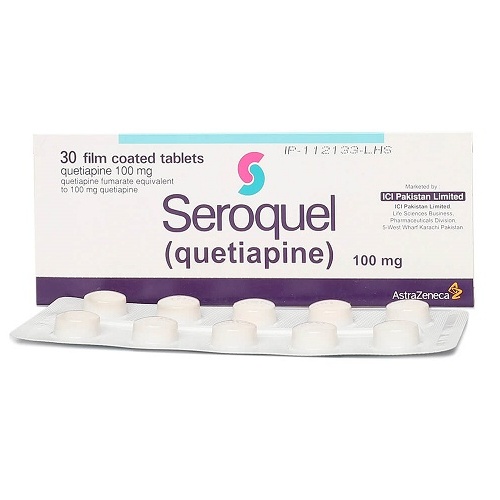
Can Seroquel (Quetiapine) Be Obtained Without a Prescription in United Kingdom?
Seroquel (Quetiapine) is a prescription-only medicine in United Kingdom. It cannot be legally obtained without a valid prescription from a qualified healthcare professional. Over-the-counter or non-prescription purchases are not permitted under UK law.
Key Takeaways: Seroquel Use in United Kingdom
- Seroquel (Quetiapine) is prescribed for specific mental health conditions such as schizophrenia, bipolar disorder, and in some cases, major depressive disorder.
- A prescription from a UK-registered doctor is required; self-medication is not safe or legal.
- Therapeutic effects may take several days to weeks to become noticeable, depending on the condition treated.
- The most important safety concern is monitoring for drowsiness, metabolic changes, and rare but serious side-effects like neuroleptic malignant syndrome.
- If you experience new or worsening symptoms, or severe side-effects, seek medical advice immediately.
- Do not stop Seroquel abruptly without consulting your doctor, as withdrawal symptoms are possible.
How Does Seroquel Work in the Body?
Seroquel’s active ingredient, quetiapine, is classified as an atypical antipsychotic. Its action primarily involves blocking specific neurotransmitter receptors in the brain, especially serotonin (5-HT2A) and dopamine (D2) receptors. Quetiapine also affects histamine (H1), adrenergic (α1 and α2), and muscarinic receptors, which explains both its therapeutic effects and side-effect profile [EMA].
- Dopamine D2 antagonism: Reduces psychotic symptoms such as hallucinations and delusions by decreasing dopamine activity in certain brain regions.
- Serotonin 5-HT2A antagonism: Contributes to mood stabilisation and helps reduce negative symptoms in schizophrenia. This also lowers the risk of some motor side effects (extrapyramidal symptoms) compared to older antipsychotics.
- Noradrenergic and histaminergic antagonism: Responsible for sedating effects, weight gain, and effects on blood pressure.
- Muscarinic antagonism: May cause dry mouth, constipation, and blurred vision.
Simplified metaphor:
Imagine your brain as an orchestra. In conditions like schizophrenia or bipolar disorder, some instruments (neurotransmitters) play too loudly or out of tune. Seroquel helps quieten or rebalance them, allowing the whole performance to be more harmonious.
Seroquel’s effect does not depend on food intake or a specific time of day. However, sedation is more pronounced at lower doses and shortly after ingestion.
Myth vs Reality:
- Myth: Seroquel only works for severe psychosis.
- Reality: Seroquel is also used for bipolar depression, some cases of major depressive disorder, and off-label for anxiety or sleep disorders (though this is not always evidence-based or guideline-recommended in UK practice).
Unrealistic Expectations: What Patients Often Misunderstand About Seroquel Treatment
As a psychiatrist, I find that many patients expect Seroquel to act rapidly—sometimes even after the first dose. While sedation can occur quickly, its full therapeutic benefit for mood or psychotic symptoms often takes several days to weeks. Another common misconception is that once symptoms improve, the medication can be stopped without problems; in reality, abrupt cessation can lead to withdrawal or symptom relapse. Patients rarely ask about metabolic effects—such as weight gain or changes in cholesterol—which are significant and require monitoring. Finally, many underestimate how drowsiness or impaired concentration can affect work or driving, especially early in treatment. Open discussion about these aspects can help set realistic expectations and support adherence.
How Should Seroquel Be Taken? (Dosage & Administration Guidance)
Dosage and administration of Seroquel are highly individual and should always be determined by a qualified prescriber based on the specific diagnosis, age, and comorbidities.
- Standard initial dosing for schizophrenia and bipolar disorder (adults): Usually begins at 50 mg twice daily (immediate-release) or 300 mg once daily (extended-release, XR). The dose is gradually increased as tolerated over several days.
- Maintenance dose: Most adults require 300–800 mg per day, divided into one or two doses (immediate-release) or single-daily dosing (XR).
- Maximum daily dose: 800 mg for most indications. Higher doses are rarely used and only under specialist supervision.
- Elderly patients: Start at lower doses (e.g., 25 mg twice daily) due to increased sensitivity to side effects and slower metabolism.
- Liver impairment: Start at a lower dose and titrate slowly.
- Children and adolescents: Use is restricted and reserved for specific cases, following specialist guidance.
Tablets: Swallow whole with water. Extended-release (XR) tablets must not be split, chewed, or crushed. Immediate-release tablets may sometimes be split if scored, but only if advised by your doctor or pharmacist.
Peak effect: Seroquel reaches peak plasma concentration in 1.5 hours (immediate-release) and 6 hours (extended-release). Symptomatic improvement usually takes several days to weeks, depending on the condition.
Duration: Seroquel is typically taken once or twice daily, depending on the formulation and prescriber’s advice.
How Do Food, Alcohol, and Lifestyle Choices Affect Seroquel?
- Food: Seroquel can be taken with or without food. However, for extended-release (XR) tablets, take them at least one hour before a meal or on an empty stomach for consistent absorption.
Fatty meals do not significantly alter absorption but consistency helps maintain stable blood levels. - Alcohol: Strictly avoid alcohol while taking Seroquel. Alcohol can potentiate drowsiness, impair judgement, and increase the risk of dangerous side effects such as low blood pressure or respiratory depression.
- Grapefruit juice: Avoid grapefruit and grapefruit juice. They inhibit CYP3A4, the main enzyme that metabolises quetiapine, potentially leading to dangerously high levels in your blood.
- Caffeine: No significant interaction, but excessive caffeine may worsen anxiety or insomnia.
- Smoking: May reduce Seroquel levels by inducing certain liver enzymes (CYP1A2), though to a lesser extent than with other antipsychotics.
- Driving and operating machinery: Seroquel may cause drowsiness and reduced alertness. Do not drive or operate heavy machinery until you know how Seroquel affects you.
Who Should Not Take Seroquel? (Contraindications & Red Flags)
- Absolute contraindications (never use):
-
- Known allergy to quetiapine or any excipients in the formulation.
- Concomitant use with potent CYP3A4 inhibitors: e.g., ketoconazole, ritonavir, clarithromycin. These can cause dangerously high quetiapine levels.
- Severe liver failure: Seroquel is extensively metabolised in the liver.
- Relative contraindications (use only with caution and specialist supervision):
-
- History of cardiac arrhythmias: Risk of QT prolongation. Avoid in patients with congenital long QT syndrome or those taking other QT-prolonging medicines.
- Recent myocardial infarction (heart attack): Seroquel may destabilise blood pressure and heart rhythm. Postpone use until the patient is medically stable and only under specialist direction.
- Uncontrolled epilepsy: There is a risk of lowering the seizure threshold.
- Diabetes mellitus (especially uncontrolled): Seroquel can worsen blood sugar control.
- Hypotension (low blood pressure): Seroquel may cause further drops in blood pressure, especially at treatment initiation.
- Severe neutropenia or agranulocytosis: Seroquel may further depress white blood cell counts, increasing infection risk.
- Dementia-related psychosis in elderly: Increased risk of stroke and mortality; Seroquel is not approved for this indication in the UK.
- Pregnancy and breastfeeding: Use only if clearly essential and under close medical supervision.
What Side Effects Are Most Common with Seroquel?
Seroquel’s side effects vary by dose, duration, and individual susceptibility. Side effects are classified by frequency according to UK and WHO guidelines:
- Very common (>1 in 10):
-
- Sleepiness/drowsiness
- Mild weight gain
- Dry mouth
- Dizziness (especially when standing up quickly)
- Common (1 in 100 to 1 in 10):
-
- Rapid heartbeat (tachycardia)
- Constipation
- Indigestion
- Disturbed dreams or insomnia
- Increased appetite
- Low blood pressure
- Uncommon to Rare (<1 in 100):
-
- High blood sugar or new-onset diabetes
- Seizures
- Significant weight gain
- Restlessness or agitation
- Extrapyramidal symptoms (tremor, muscle rigidity)
- QT interval prolongation (arrhythmia risk)
- Priapism (prolonged painful erection, rare but serious emergency)
- Severe allergic reactions (angioedema, anaphylaxis)
- Neuroleptic malignant syndrome (muscle rigidity, fever, confusion – medical emergency)
If you experience severe drowsiness, sudden fever, muscle stiffness, confusion, seizures, severe rash, or signs of an allergic reaction, seek urgent medical attention.
For non-severe side effects: Report them to your doctor, as dose adjustment or supportive measures may help.
Common Seroquel Mistakes People Make – And How to Avoid Them
- Stopping Seroquel abruptly once symptoms improve.
This often leads to withdrawal symptoms or rapid symptom relapse. Avoid this by always following your doctor’s instructions for gradual tapering. - Taking Seroquel at inconsistent times or missing doses.
Erratic dosing reduces effectiveness and increases the risk of side effects. Set reminders or use pill organisers to help maintain regularity. - Using alcohol or recreational drugs while on Seroquel.
This can dangerously increase sedation and impair judgement. Be honest with your prescriber about substance use so you receive safe advice. - Splitting or crushing extended-release tablets.
This can lead to dose dumping and severe side effects. Always swallow XR tablets whole; ask your pharmacist if you have difficulty swallowing. - Failing to attend regular follow-up appointments.
Blood tests and weight monitoring are essential for safety. Keep all scheduled reviews, even if you feel well. - Ignoring new symptoms such as rapid weight gain, excessive thirst, or palpitations.
These can indicate emerging metabolic or cardiac problems. Report any such changes promptly to your healthcare provider. - Not informing other healthcare providers about Seroquel use.
This increases the risk of dangerous drug interactions. Always mention Seroquel when receiving new prescriptions.
How Does Seroquel Compare to Similar Medications?
The closest alternatives to Seroquel (quetiapine) in the UK are other atypical antipsychotics such as Olanzapine and Risperidone. Here is a comparison based on key clinical and practical criteria:
| Medication | Usual Onset of Effect | Duration of Action | Common Side Effects | Cost per Tablet (Estimated, GBP) | Prescription Required in UK |
|---|---|---|---|---|---|
| Seroquel (Quetiapine) | Several days to 2 weeks | 12–24 hours (immediate), 24h (XR) | Drowsiness, weight gain, metabolic changes | £0.10–£0.50 (generic); £1.50–£2.50 (branded) | Yes |
| Olanzapine | Several days to 2 weeks | 24 hours | Weight gain, drowsiness, high cholesterol | £0.15–£0.60 (generic); £1.80–£2.75 (branded) | Yes |
| Risperidone | Several days to 2 weeks | 24 hours | Increased prolactin, movement disorders | £0.08–£0.40 (generic); £1.20–£2.10 (branded) | Yes |
Bottom line: Seroquel is less likely than Risperidone to cause movement disorders, but more likely than Olanzapine to cause drowsiness. Cost differences are often minor for generics, but brand-name products are more expensive. All require prescription and professional monitoring.
Seroquel: Key Technical Details at a Glance
| Parameter | Value |
|---|---|
| Active ingredient | Quetiapine fumarate |
| Available formulations | Immediate-release tablets (25, 50, 100, 150, 200, 300, 400 mg); Extended-release tablets (50, 150, 200, 300, 400 mg) |
| Route of administration | Oral |
| Storage | Store at room temperature (below 25°C), in original packaging, away from moisture and light |
| Shelf life | Usually 3 years from manufacture (check packaging) |
| Legal classification in UK | Prescription-only medicine (POM) |
| Available as generic? | Yes (multiple manufacturers) |
| Manufacturer (brand) | AstraZeneca (original Seroquel); various generics |
Compatibility: Seroquel and Other Medicines or Products
| Type of Product | Can it be combined? | Consequences |
|---|---|---|
| Paracetamol | Yes | No significant interaction |
| SSRIs (e.g., sertraline) | Usually yes (monitoring required) | Possible additive drowsiness or QT prolongation |
| Strong CYP3A4 inhibitors (e.g., ketoconazole) | STRICTLY NO | Risk of toxic Seroquel levels |
| Carbamazepine | With caution | May lower Seroquel blood levels (reduced effectiveness) |
| Alcohol | NO | Increased sedation, impaired judgement, health risk |
| Grapefruit juice | NO | May dangerously raise Seroquel levels |
How to Obtain Seroquel Legally in United Kingdom: A Step-by-Step Guide
- Book an appointment with a GP or psychiatrist registered in United Kingdom. This may be in person, by telephone, or via a secure NHS or private telemedicine service.
- Undergo a mental health assessment to confirm diagnosis and appropriateness of Seroquel. This typically involves a detailed history, symptom review, and sometimes physical examinations or blood tests.
- If indicated, your prescriber will issue a prescription for Seroquel (Quetiapine) in the correct formulation and dose. Repeat prescriptions are only available after regular review.
- Take the prescription to a registered pharmacy. Most community and hospital pharmacies in the UK can supply Seroquel. Some may require advance ordering, especially for higher or less common doses.
- Pharmacist checks your prescription and provides the medicine with a patient information leaflet. Pharmacists can answer questions about administration and side effects.
- Attend all follow-up appointments for monitoring (usually every 1–3 months), including blood tests and reviews of mental and physical health.
Note: NHS prescription charges apply unless you qualify for exemption. Private prescriptions are also accepted but may be more expensive.
Questions Patients Often Ask the doctor About Seroquel Therapy
- How will I know if Seroquel is working for me?
- Improvements may include reduced hallucinations or delusions, mood stabilisation, or decreased agitation. However, changes can be subtle at first. I recommend keeping a symptom diary to track changes over several weeks, as well as seeking feedback from family or carers where appropriate.
- What sort of monitoring will I need while on Seroquel?
- You’ll require regular weight, blood pressure, cholesterol, and blood glucose checks (often every 3–6 months). These help identify metabolic changes early, so we can intervene if needed.
- What should I do if I feel too sleepy or lethargic on Seroquel?
- Daytime drowsiness is common, especially when starting or increasing the dose. It often improves after a week or two. If it persists or affects your functioning, contact your prescribing doctor—dose adjustments or changes in timing may help.
- Can Seroquel be combined with my antidepressant or mood stabiliser?
- Often yes, but combinations must be carefully managed and monitored for interactions or additive side effects. Always let your prescriber know all medicines and supplements you take.
- Is it safe to take Seroquel long-term?
- For many, long-term use is necessary and can be safe with proper monitoring. Weighing benefits against potential metabolic and neurological side effects is a continual process, and periodic reassessment is routine.
- Will Seroquel affect my ability to work or study?
- Some people experience drowsiness or decreased concentration, especially early on. Most can adapt over time, but it’s important to discuss any difficulties promptly so adjustments can be made.
How to Safely Use Online Pharmacies for Seroquel in United Kingdom
Legitimate online pharmacies in United Kingdom must be registered with the General Pharmaceutical Council (GPhC) and display their registration number and the EU Common Logo on their website. You can check registration status on the GPhC website (https://www.pharmacyregulation.org/).
- Only pharmacies requiring a valid UK prescription can legally supply Seroquel.
- Be wary of any website offering Seroquel without a prescription, at very low prices, or with unclear contact details—these are common signs of unlicensed or unsafe sellers.
- Never purchase from websites based outside the UK or that avoid regulatory standards; medicines may be counterfeit, substandard, or unsafe.
- Ask your doctor or pharmacist for recommendations if you need to use an online pharmacy.
- If in doubt, check with the Medicines and Healthcare products Regulatory Agency (MHRA).
How to Spot Counterfeit Seroquel and Understand Generics
- Original Seroquel packaging: Usually a white box with purple and yellow branding for AstraZeneca’s brand, clearly marked with dosage strength, batch number, and expiry date. Tablets are typically film-coated and engraved with the dosage impression and manufacturer’s initials.
- Authenticity features: Look for tamper-evident seals, batch numbers, and—on some packs—QR codes or holographic stickers (especially on hospital supply packs). English-language patient information leaflet should always be included.
- What to watch out for: Misspelled brand names, missing batch or expiry details, unusually low prices, or tablets that appear discoloured, crumbly, or poorly printed are warning signs of counterfeits.
- Generics: Quetiapine generics are legally approved in the UK and undergo strict MHRA quality controls. They must contain the same active ingredient and provide equivalent therapeutic effects. However, they may differ in colour, shape, or inactive ingredients (excipients).
- Advantages of generics: Typically much cheaper than branded Seroquel, widely available, and NHS-approved. Some people may be sensitive to certain excipients—if you have allergies, ask your pharmacist for a full ingredients list.
Psychological Support: Managing Mental Health with Seroquel
Living with a mental health condition is challenging, but you are not alone. Many people in United Kingdom face similar struggles and find that a combination of medication, talking therapies, and social support lead to the best outcomes. If you feel overwhelmed or uncertain, consider reaching out to a trusted friend, family member, or mental health professional to discuss your concerns and treatment journey.
What Happens to Seroquel in the Body? (Pharmacokinetics Explained)
- Absorption: Seroquel is absorbed almost completely from the stomach and small intestine. Peak blood levels occur in 1.5 hours (immediate-release) or 6 hours (XR).
- Metabolism: Metabolised primarily in the liver by the enzyme CYP3A4 into inactive metabolites.
- Elimination: The majority is excreted in urine (73%) and a smaller portion in faeces (20%), mostly as metabolites. Less than 1% is excreted unchanged.
- Half-life (T1/2): About 6 hours in healthy adults. Extended in liver impairment or elderly patients.
- Implications for chronic diseases: Liver impairment requires lower doses; kidney problems are less critical but may still warrant caution.
Is Seroquel Safe for Older Adults and People with Other Medical Conditions?
- Elderly patients: More sensitive to sedation and blood pressure drops. Careful dose titration and slow increases are mandatory. Higher risk of confusion, falls, and metabolic effects.
- Diabetes or metabolic syndrome: Seroquel can worsen blood sugar and lipid profiles. Close monitoring and possible medication adjustment may be required.
- Heart disease: Increases risk for arrhythmias (QT prolongation), especially in those with existing heart problems. Regular ECGs may be required.
- Pregnancy and breastfeeding: Only use if benefits clearly outweigh risks. Limited safety data; consult a specialist.
- Driving: UK law prohibits driving if you are impaired by drowsiness or reduced alertness. Always assess your response before driving or operating machinery.
- Fertility: No clear evidence for major effects on fertility, but menstrual irregularities or sexual dysfunction may occur in some cases.
What Should I Do if I Take Too Much Seroquel?
- Stop taking Seroquel immediately.
- Call NHS 111 or 999 for urgent medical advice or ambulance services.
- Provide the exact dose and time of ingestion to emergency responders.
- Do not attempt to induce vomiting unless instructed by medical professionals.
- Possible symptoms of overdose include: excessive drowsiness, rapid heartbeat, seizures, low blood pressure, loss of consciousness.
- Bring the medicine packaging with you to hospital if possible.
Overdose can be life-threatening and always requires immediate medical attention.
Clinical Assessment by doctor: When Seroquel Is the Right Choice
In my clinical practice, Seroquel is most beneficial for adults with schizophrenia or bipolar disorder, particularly those who also struggle with agitation, insomnia, or intolerance to other antipsychotics. Its sedative properties can aid patients experiencing acute distress or poor sleep, but this same effect can be problematic for those needing to stay alert throughout the day. I tend to favour Seroquel in patients at higher risk of movement disorders, as it is less likely to cause extrapyramidal side effects than some alternatives. However, I am cautious in those with diabetes, obesity, or cardiovascular risks, given its propensity to cause weight gain and metabolic changes. In elderly patients, the increased risk of confusion and falls means it is only used when safer options are inappropriate or ineffective. For those with a strong family history of heart rhythm disorders or who are taking multiple interacting medicines, alternatives may be safer. The decision is always guided by weighing risks and benefits within the individual’s broader health and life context, and frequent reassessment is key to safe, effective therapy.
Frequently Asked Questions About Seroquel in United Kingdom
- Is Seroquel effective for anxiety or insomnia?
- Seroquel is not licensed in the UK for primary treatment of anxiety or insomnia. While it may reduce these symptoms as part of broader mental health treatment, using it solely for sleep or anxiety is not recommended except under specialist advice.
- How long does Seroquel take to work?
- Drowsiness may be noticeable after the first dose, but improvement in mood or psychotic symptoms typically takes 1–2 weeks or longer. Full benefit may require several weeks of regular use.
- Can I get Seroquel on the NHS?
- Yes, Seroquel and generic quetiapine are available on the NHS with a valid prescription. Standard NHS prescription charges apply unless you are exempt.
- What is the price of Seroquel in United Kingdom?
- Generic quetiapine costs approximately £0.10–£0.50 per tablet, while branded Seroquel may cost £1.50–£2.50 per tablet. NHS patients usually pay a standard prescription charge unless exempt.
- Is it safe to order Seroquel online?
- Only use UK-registered online pharmacies requiring a prescription. Avoid sites offering Seroquel without prescription or at unusually low prices, as these may be illegal or unsafe.
- What should I do if I miss a dose?
- If you miss a dose, take it as soon as you remember. If it is almost time for your next dose, skip the missed one and resume your regular schedule. Never double up doses to make up for a missed tablet.
- Can Seroquel be taken with antidepressants?
- Yes, Seroquel is often combined with antidepressants, but always under close medical supervision due to possible interactions or increased side effects.
- Can I stop Seroquel suddenly if I feel better?
- No. Stopping abruptly may cause withdrawal symptoms or rapid relapse. Always consult your doctor about safely tapering off the medication.
- Are there alternatives to Seroquel for my condition?
- Yes, other atypical antipsychotics (e.g., Olanzapine, Risperidone, Aripiprazole) or psychological therapies may be suitable. Your doctor will advise on the best option based on your medical history and response to treatment.
References
- Medicines and Healthcare products Regulatory Agency (MHRA). https://www.gov.uk/government/organisations/medicines-and-healthcare-products-regulatory-agency
- National Institute for Health and Care Excellence (NICE). Psychosis and schizophrenia in adults: prevention and management. https://www.nice.org.uk/guidance/cg178
- NHS. Quetiapine (Seroquel) – Medicines. https://www.nhs.uk/medicines/quetiapine/
- European Medicines Agency (EMA). Seroquel Summary of Product Characteristics. https://www.ema.europa.eu/en
- British National Formulary (BNF), Quetiapine monograph. Accessed 2026.
- PubMed. Clinical studies on quetiapine and metabolic effects (2024). https://pubmed.ncbi.nlm.nih.gov/
- General Pharmaceutical Council (GPhC). https://www.pharmacyregulation.org/
- World Health Organization (WHO). Essential Medicines List – Antipsychotics. https://www.who.int/